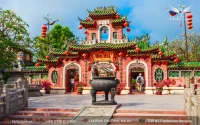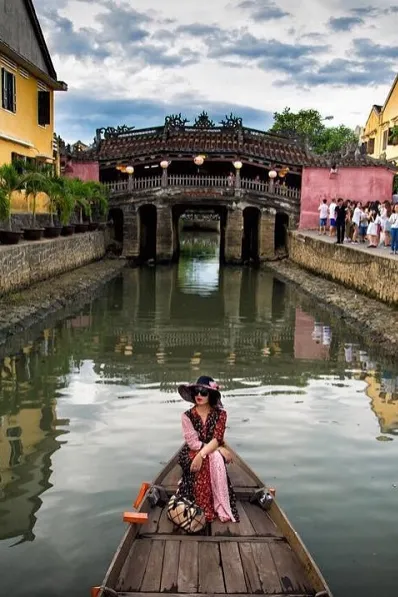
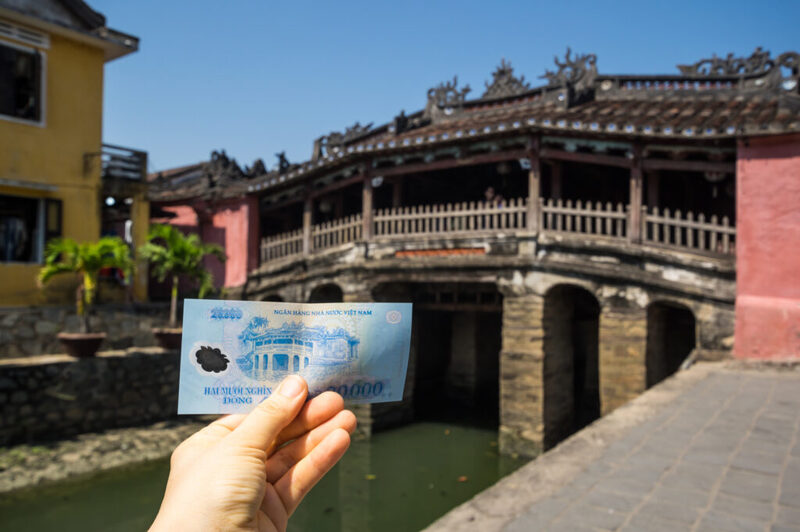
The Japanese Bridge in Hoi An stands as one of the most iconic landmarks of Hoi An Ancient Town. This beautifully crafted historical bridge is not only a must-see tourist attraction but also a masterpiece of architecture, reflecting the town’s rich cultural heritage. Recognized nationally, it even appears on Vietnam’s 20,000 VND banknote, making it a symbol you won’t want to miss when exploring Hoi An.
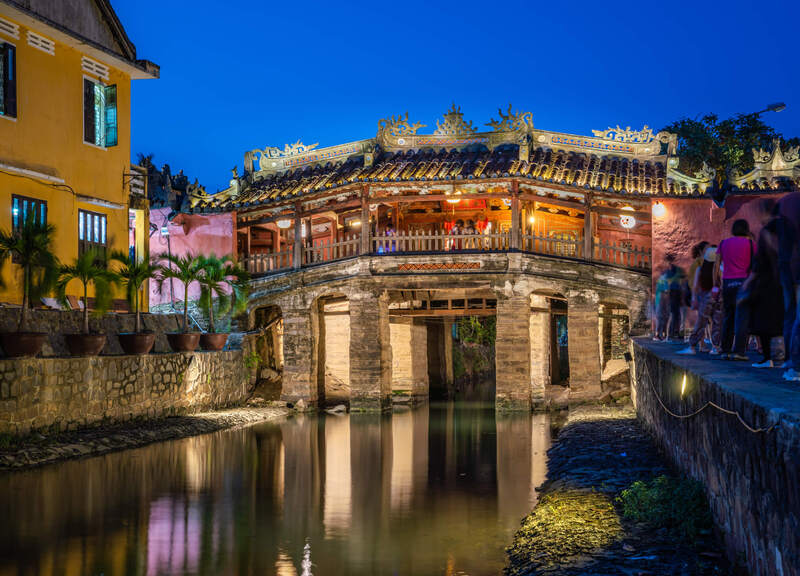
Nestled in the heart of Hoi An Ancient Town-a UNESCO World Heritage Site-the Japanese Covered Bridge is a must-see cultural landmark in Vietnam. Constructed in the 17th century, this historic bridge has silently witnessed centuries of the town’s evolution, from bustling trade days to modern charm. Travelers visiting Hoi An will find it an unforgettable spot that beautifully reflects the city’s rich history and unique architecture.
***Note: Hoi An was once part of Quang Nam Province but, following administrative changes, is now incorporated into Da Nang City.
The Japanese Bridge in Hoi An stands as a vivid testament to the town’s centuries-old history, linking the past, present, and future in one iconic structure.
The Japanese Covered Bridge (Chùa Cầu) in Hoi An, Vietnam, is an iconic 17th-century landmark built by Japanese merchants to link Japanese and Chinese quarters, symbolizing cultural fusion and friendship, featuring a temple on top, and appearing on Vietnam's 20,000 VND banknote.
Over time, it became entwined with a fascinating legend involving Namazu, a mythical Japanese creature believed to trigger earthquakes and floods. According to folklore, Namazu’s head rests in India, its body in Vietnam, and its tail in Japan. The bridge was built under the belief that a magical sword pinned Namazu down, preventing it from causing disasters and ensuring peace and prosperity for people across these three countries.
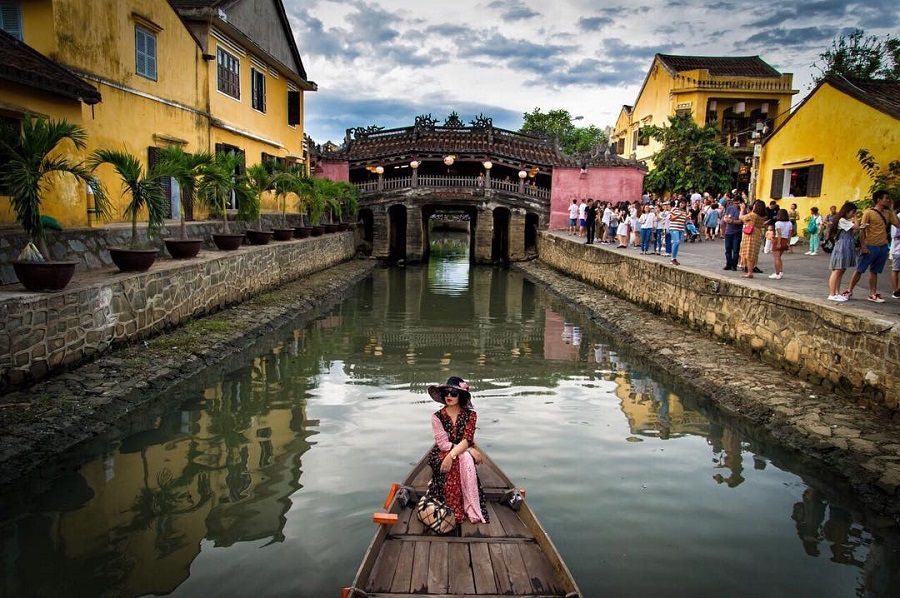
Spanning more than 400 years of history, the bridge has witnessed Hoi An’s evolution and remains a central symbol of its heritage. In 1719, Lord Nguyen Phuc Chu visited Hoi An and inscribed three Chinese characters on the bridge entrance, which translate to “Lai Vien Kieu” in Vietnamese-meaning “the bridge to welcome guests from afar” in English. Its common name, “Japanese Bridge” or “Japanese Covered Bridge,” reflects its Japanese design and the significant role of Japanese craftsmen in its construction.
On February 17, 1990, the Japanese Bridge was officially designated a National Historic – Cultural Heritage Site, cementing its status as one of Hoi An’s most treasured landmarks.
>> Related Post:
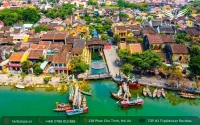
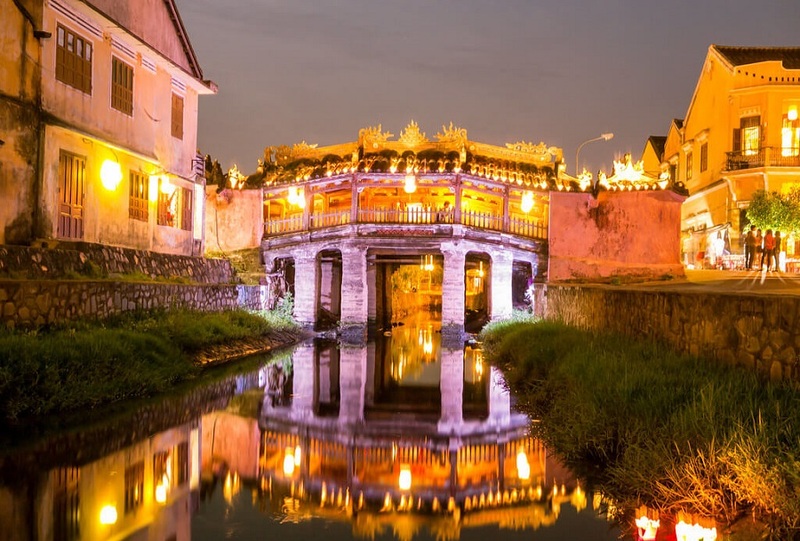
The Japanese Covered Bridge in Hoi An spans 18 meters in length, connecting Tran Phu Street on the eastern side, known historically as the Chinese quarter, with Nguyen Thi Minh Khai Street on the western side, once the Japanese quarter. The bridge stretches gracefully over the Thu Bon River, creating a tranquil and nostalgic setting that attracts thousands of visitors every year.
The structure’s upper section is primarily crafted from red lacquered wood, while the foundation is built with durable stone, reflecting a harmonious blend of Vietnamese, Japanese, and Chinese architectural influences. From its materials to its intricate patterns and decorations, the bridge exemplifies centuries of cultural exchange.
The bridge’s most striking feature is its curved Japanese-style roof, which shelters the entire walkway. Adorned with yin and yang motifs, the roof also incorporates elements of Vietnamese symbolism, merging aesthetic beauty with cultural meaning.
Visitors can enjoy small corridors and benches along both sides of the bridge, offering a peaceful spot to relax and take in the river breeze. The temple, situated within the bridge, is separated by a slender wooden wall, adding to the sense of sacredness and serenity.
At the two ends of the bridge stand a dog and a monkey statue, serving as symbolic guardians. In Japanese tradition, these animals represent protection and safety. Legend also links them to the construction timeline: the bridge was said to have begun in the Year of the Monkey and completed in the Year of the Dog, connecting history, culture, and myth in a single structure.
The Japanese Bridge in Hoi An has undergone a total of seven major restorations over its 400-year history, specifically in 1763, 1815, 1875, 1917, 1962, 1986, and 1996. These renovations involved careful adjustments to the bridge’s roof, floor, and supporting pillars to preserve its structural integrity.
The first three restorations were managed by the Minh Huong Commune, a local Hoi An village known for its skilled craftsmen. During the French colonial era, in 1917, the bridge was temporarily modified to accommodate motorized vehicles, whereas originally it was designed exclusively for pedestrians.
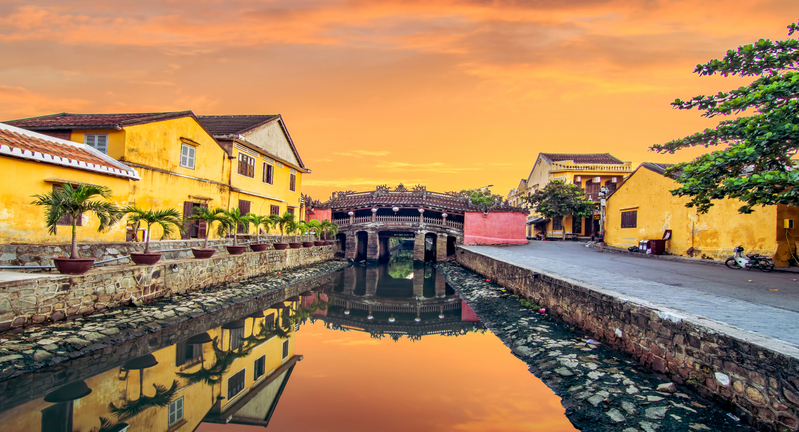
In 1962, the Quang Nam provincial authorities carried out further repair work, maintaining the bridge’s historic features. By 1986, it was fully restored to its original pedestrian-only function. The renovations in 1986 and 1996 are considered the most significant, as they reinforced both the bridge’s structure and its decorative elements.
Despite these efforts, frequent flooding in Hoi An over the decades has caused some deterioration of beams and supporting poles, highlighting the urgent need for additional preservation. In response, the Quang Nam provincial government approved a nearly $1 million restoration project, which officially began in early 2020, aiming to safeguard this historic bridge for future generations.
>> See more:
Address: Nguyen Thi Minh Khai Street, Hoi An Ward, Da Nang City
Opening Hours: Open 24/7
Tickets: Free
The Japanese Covered Bridge sits at the western edge of Hoi An Ancient Town, making it an easy stop for visitors exploring the historic area. The most common route starts at Hoi An Central Market, then follows Tran Phu Street, which is lined with numerous cafés and restaurants. This allows travelers to enjoy a refreshing drink or a tasty meal along the way. At the end of the street, the entrance to the bridge comes into view, welcoming visitors to one of Hoi An’s most iconic landmarks.
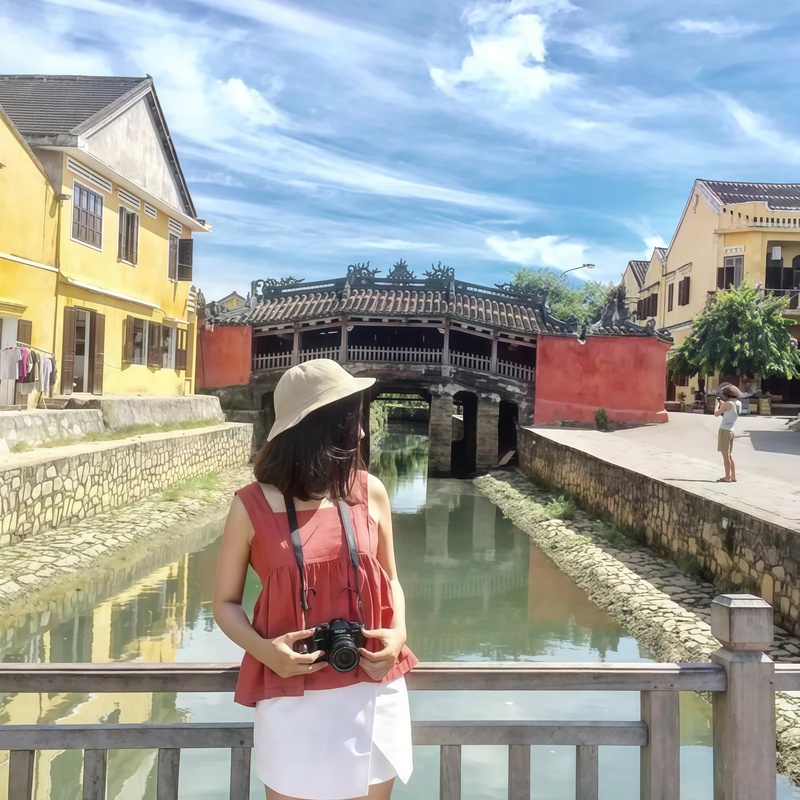
Before planning a visit to the Japanese Covered Bridge in Hoi An, it’s helpful to know a few interesting facts that highlight its cultural and historical significance.
The Japanese Bridge has long been regarded as the heart and soul of Hoi An Ancient Town. Its iconic design was selected to appear on the back of Vietnam’s 20,000 VND banknote, symbolizing its importance not only as a historic landmark but also as a cherished cultural icon for the Vietnamese people.
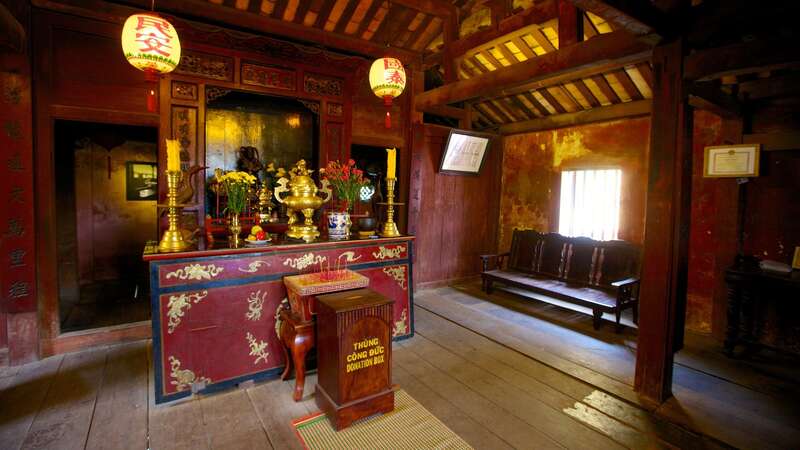
Unlike typical temples, Cau Pagoda does not honor Buddha. Instead, it is dedicated to Tran Vo Bac De, a northern deity revered in Hoi An as the god of happiness, wealth, and health. This makes the Bridge Pagoda in Hoi An not only a must-visit tourist landmark but also an important spiritual site where locals come to find peace of mind and offer prayers for good fortune.
>> See more:
The Bridge Pagoda in Hoi An consists of two distinct sections: the bridge itself and the temple. This combination is the origin of its Vietnamese name, “Chùa Cầu” (“Chùa” meaning "temple", “Cầu” meaning "bridge").
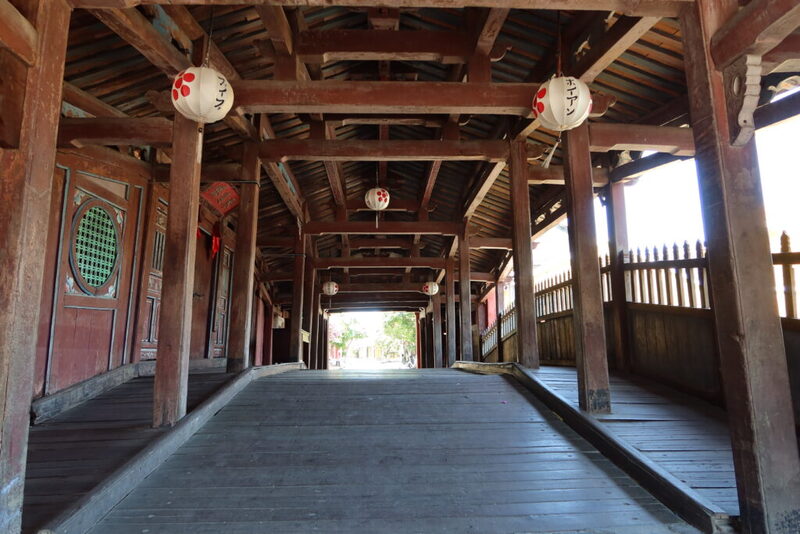
The bridge was constructed first, spanning the Thu Bon River, while the temple was added 60 years later on the northern side. When visiting this historic site, make sure to explore both the bridge and the temple to fully appreciate its cultural and architectural significance.
The best time to visit Hoi An Japanese Bridge is between 9:00 a.m. and 3:00 p.m., when the site is generally less crowded.
Beyond exploring the bridge itself, visitors can enjoy folk games and street performances in Hoi An Ancient Town daily from 7:00 p.m. to 8:30 p.m.. A bamboo boat cruise along the canals at night is highly recommended, offering a magical view of the town illuminated with colorful lights, where you can truly soak in the nostalgic and vibrant atmosphere of Old Town.
To fully appreciate the bridge’s history and unique architecture, tourists should consider hiring a local tour guide, who can provide detailed explanations and point out interesting features you might otherwise miss.
After visiting the Japanese Covered Bridge, travelers can also explore nearby attractions such as Quan Cong Temple, Phuc Kien Assembly Hall, and Tan Ky Ancient House, all of which are notable historical sites contributing to Hoi An’s rich cultural heritage.
>> Articles for you:
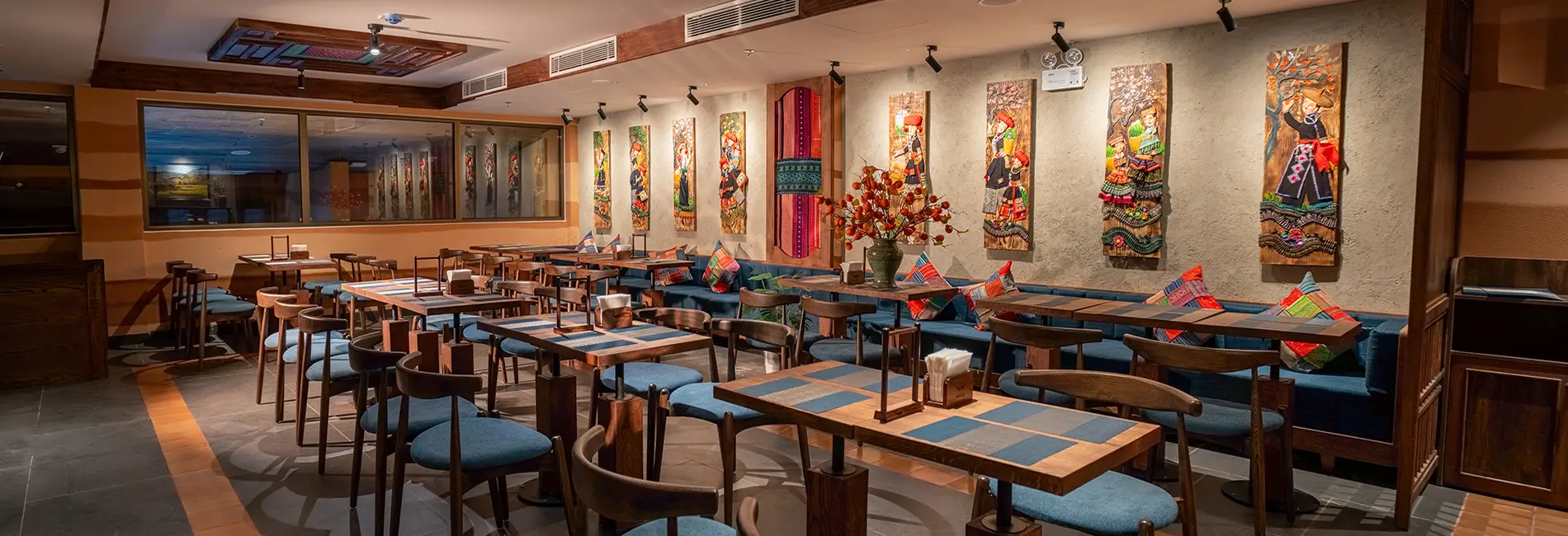
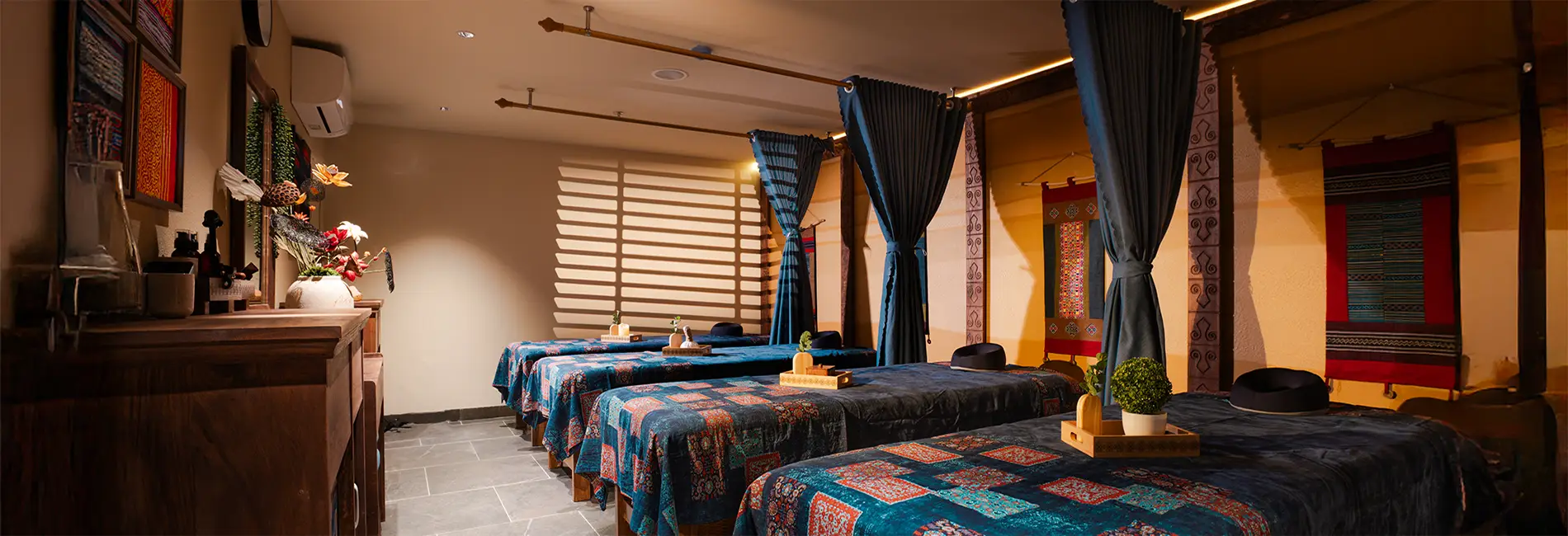
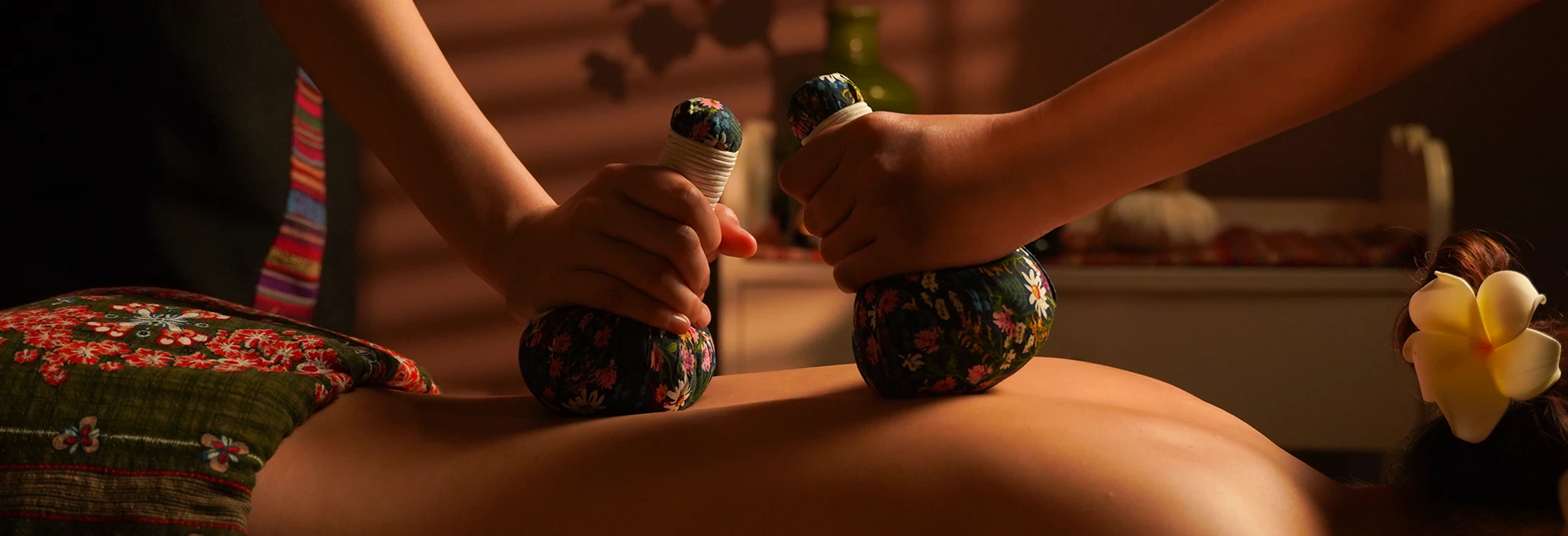
Herbal Spa Hoi An is a convenient option for visitors, located just a short distance from the Japanese Covered Bridge. The luxury spa is situated on 139 Phan Chu Trinh Street, Minh An Ward, Hoi An City, Quang Nam Province. Choosing to visit here, you can enjoy services such as traditional herbal massages, aromatherapy, and wellness treatments, providing a relaxing break after exploring the Old Town.


(May 10, 2026 - December 31, 2026)
15% OFF 8-hands & 6-hands massage
10% OFF 90 & 120-minute services
5% OFF 60-minute services
Enter the code "HBS2026" when booking on our website to enjoy the promotion!
***Promotion applies to bookings made at least 15 minutes in advance.
The Japanese Covered Bridge in Hoi An is a must-visit destination that promises an unforgettable experience. A trip here not only deepens your understanding of the town’s rich history but also lets you soak in the nostalgic charm amidst the lively streets of Hoi An. Visiting the bridge encourages a greater appreciation of Vietnam’s cultural heritage and the treasures of the present. For the best experience, consider stopping by Herbal Spa Hoi An nearby to enjoy a relaxing herbal massage, helping you unwind while exploring the town’s unique traditions and historic architecture.
The Japanese Covered Bridge in Hoi An is an iconic cultural and architectural landmark of the ancient town. Constructed in the late 16th century with the support of Japanese traders, it reflects a unique fusion of Japanese, Vietnamese, and Chinese design elements, making it a must-see symbol of Hoi An’s rich heritage.
Operating Hours: The temple interior is open daily from 9:00 AM to 5:00 PM, while the exterior can be viewed 24/7. The bridge is fully operational after August 2024, following its comprehensive renovation, and is no longer closed to visitors.
The Golden Bridge is a pedestrian bridge that's a part of the Sun World Ba Na Hills resort, offering stunning views from Mount Ba Na in An Son Village, Hoa Ninh Commune, Da Nang City.
Sources:
- Wikipedia: https://en.wikipedia.org/wiki/Japanese_Bridge
- UNESCO World Heritage Centre: https://whc.unesco.org/en/list/948/
Khám phá thêm về Herbal Spa
(May 10, 2026 - December 31, 2026)
15% OFF 8-hands & 6-hands massage
10% OFF 90 & 120-minute services
5% OFF 60-minute services
Enter the code "HBS2026" when booking on our website to enjoy the promotion!
***Promotion applies to bookings made at least 15 minutes in advance.








![Things to Do in Hoi An [2026]](https://herbalspa.vn/data/news/200/35-best-things-to-do-in-hoi-an-vietnam-2025-insiders-guide-947.webp)