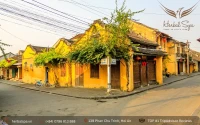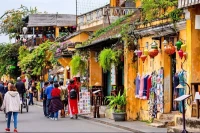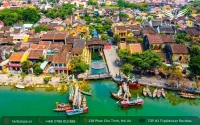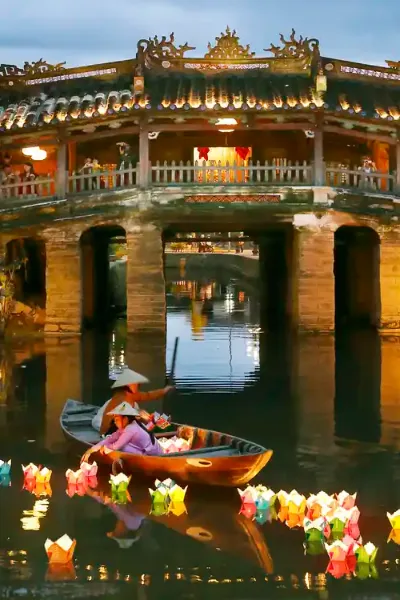
Hoi An Ancient Town is located in Vietnam's central Quang Nam Province. A well-preserved South-East Asian trading port from the 15th to 19th century, it showcases a unique blend of local and foreign influences. Its charm lies in every street, roof, and alley, where visitors can experience the town’s ancient grace and the warm hospitality of its people.
(1).jpg)
With its stunning natural landscapes, beautiful beaches, and a unique blend of Chinese, Vietnamese, and Japanese architecture and cuisine, Hoi An Ancient Town has been a top tourist destination, attracting visitors from around the world since the 1980s. Don’t miss the chance to experience it! Check out the following tips for an unforgettable trip to Hoi An Old Town.
Set along the lower reaches of the Thu Bon River, Hoi An Ancient Town (also known as Hoi An Old Town or Phố cổ Hội An in Vietnamese) is located in central Quang Nam Province, about 30 kilometers south of Da Nang. Today, Hoi An is one of Vietnam’s most popular travel destinations, celebrated for its exceptionally well-preserved historic architecture and charming urban landscape.
(1).jpg)
Hoi An rose to prominence between the 15th and 19th centuries as a busy international trading port. During this time, it became a meeting point for merchants from Asia and Europe. Traders from China, Japan, and Portugal contributed to the town’s distinctive architecture, creating a unique blend of cultural influences that can still be seen today. In recognition of its outstanding historical and cultural value, UNESCO listed Hoi An Ancient Town as a World Cultural Heritage Site in 1999, acknowledging it as a rare example of a living historic town.
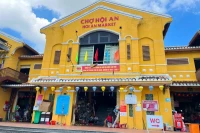
Despite centuries of change, Hoi An Old Town has largely maintained its original character. Careful preservation policies guide restoration and construction to protect the town’s traditional Eastern style. As visitors wander through the Old Town, they are greeted by rows of ancient houses, assembly halls, pagodas, and temples - each offering a glimpse into the town’s rich past and timeless atmosphere.
If your plan is simply to wander through the sun-drenched alleys, soak in the vibrant yellow walls, or grab a world-class Banh Mi while people-watching, you are free to do so at no cost. However, to truly "unlock" the soul of this UNESCO World Heritage site, purchasing an entrance ticket is highly recommended.
What does your ticket cover?
Rather than a simple gate fee, this ticket acts as a pass to the town’s most prestigious heritage sites. You can choose to enter a selection of:
Iconic Landmarks: The Japanese Covered Bridge (Chua Cau) and Quan Cong Temple.
Architectural Gems: Centuries-old residences like the Phung Hung or Duc An Ancient Houses.
Ancestral Halls: The serene Tran or Nguyen Family Chapels.
Thematic Museums: Diving deep into the history of Sa Huynh culture or local ceramics.
Pro Tip: Beyond the buildings, your ticket is an all-access pass to the town's living culture. Keep an eye out for traditional folk games (like Bai Choi), street performances (nightly from 7:00 PM – 8:30 PM), and the captivating traditional arts shows (held at 10:15 AM and 3:15 PM daily).
Essential Details
Every ticket purchased is a direct contribution to the preservation and restoration of these fragile timber structures. By buying one, you aren't just a tourist; you become a patron of Hoi An’s history, ensuring its charm remains intact for generations to come.
Traveler’s Note: The Old Town becomes a "Pedestrian Only" zone during certain hours (usually late afternoon and evening). This is the best time to visit Hoi An and take photos without dodging motorbikes!
(1).jpg)
• Things to Do in Hoi An Ancient Town
• Places to visit in Hoi An Ancient Town
• What to eat in Hoi An Ancient Town
• Shopping in Hoi An Ancient Town
If the ancient streets are the soul of Hoi An, the Hoai River- a gentle tributary of the Thu Bon- is undoubtedly its heartbeat. Unlike the grand, rushing rivers elsewhere, the Hoai moves with a poetic stillness, reflecting the yellow walls and weathered roofs of the Old Town like a living mirror. During the daylight hours, the riverbank is a place of quiet observation. You’ll see locals enjoying a slow coffee, the rhythmic dip of wooden oars, and the timeless silhouette of the town watching the water flow by.
But as the sun dips below the horizon, the river undergoes a cinematic transformation. The electric streetlights dim, and the town is reborn in the soft, amber glow of thousands of silk lanterns. This is when the Hoai River becomes truly "fairytale-like," offering a romantic intimacy that words often fail to capture.
.jpg)
The most iconic experience here is the releasing of flower lanterns (Hoa Dang). This isn't just a photo opportunity; it is a deeply rooted spiritual ritual. By placing a small, candle-lit paper boat onto the current, you are participating in a local tradition of sending prayers for health, peace, and gratitude to ancestors. If your trip aligns with the 14th or 15th day of the Lunar calendar, you’ll witness the Hoi An Lantern Festival. The town turns off its modern lights, and the river becomes a floating galaxy of flickering candles.
Expert insider tips for the best experience:
Hoi An isn't about checking sights off a list; it’s about the feeling of being suspended in time. On the Hoai River, time doesn't just pass - it floats
If there is one image most closely associated with Hoi An Ancient Town, it is the Japanese Covered Bridge (Chùa Cầu). Located at the junction of Tran Phu Street and Nguyen Thi Minh Khai Street, this 16th-century bridge spans a narrow canal and stands as both a cultural landmark and a symbol of Hoi An’s rich trading history.
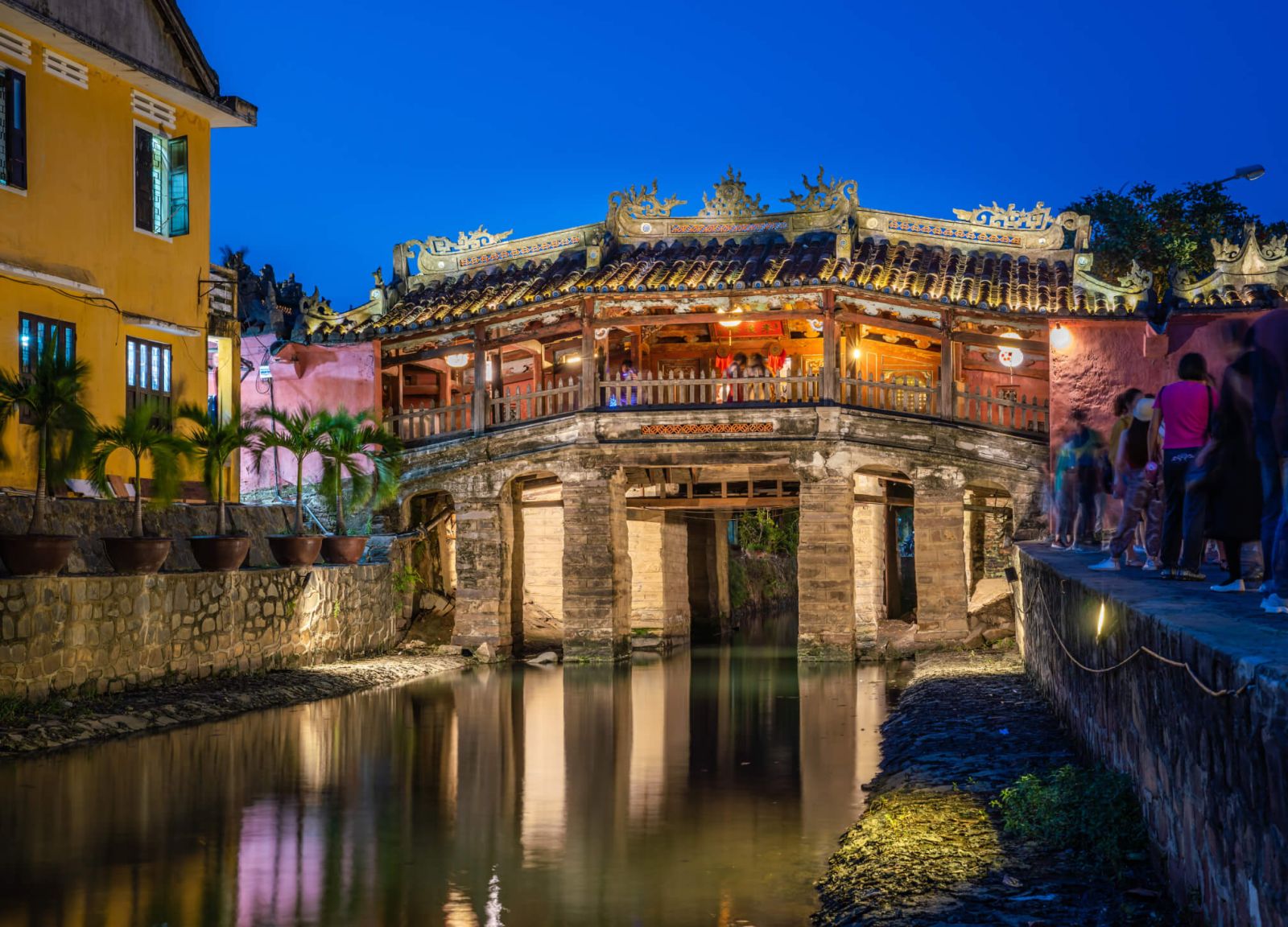
Originally built by Japanese merchants to connect their quarter with the neighboring Chinese community, the bridge is a rare architectural hybrid. Its wooden structure reflects Japanese design principles, while later Vietnamese and Chinese restorations introduced vermilion wood carvings and the distinctive Yin–Yang tiled roof, creating the harmonious blend seen today.
Inside the bridge is a small temple dedicated to Bac De Tran Vu, the deity believed to govern weather and storms. This shrine reflects the spiritual life of early merchants, who prayed here for calm seas and safe journeys along the maritime trade routes.
The Japanese Covered Bridge recently underwent a major restoration, and while it is now reopened to visitors, it appears noticeably newer than in older photographs. The fresh paint and reinforced structure are part of a long-term preservation effort, ensuring the bridge can endure for centuries to come.
A fun detail many travelers overlook: the Japanese Covered Bridge is featured on the back of Vietnam’s 20,000 VND banknote. It’s a small but memorable moment to compare the real bridge with the image in your wallet while standing just steps away.
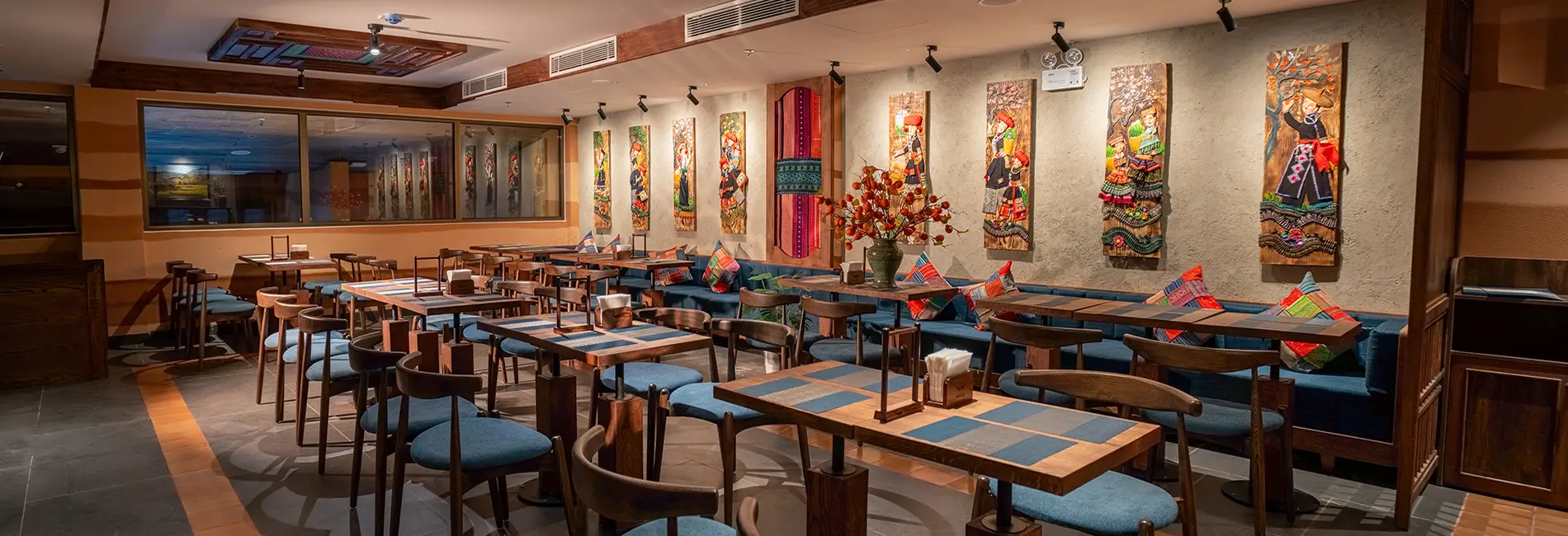
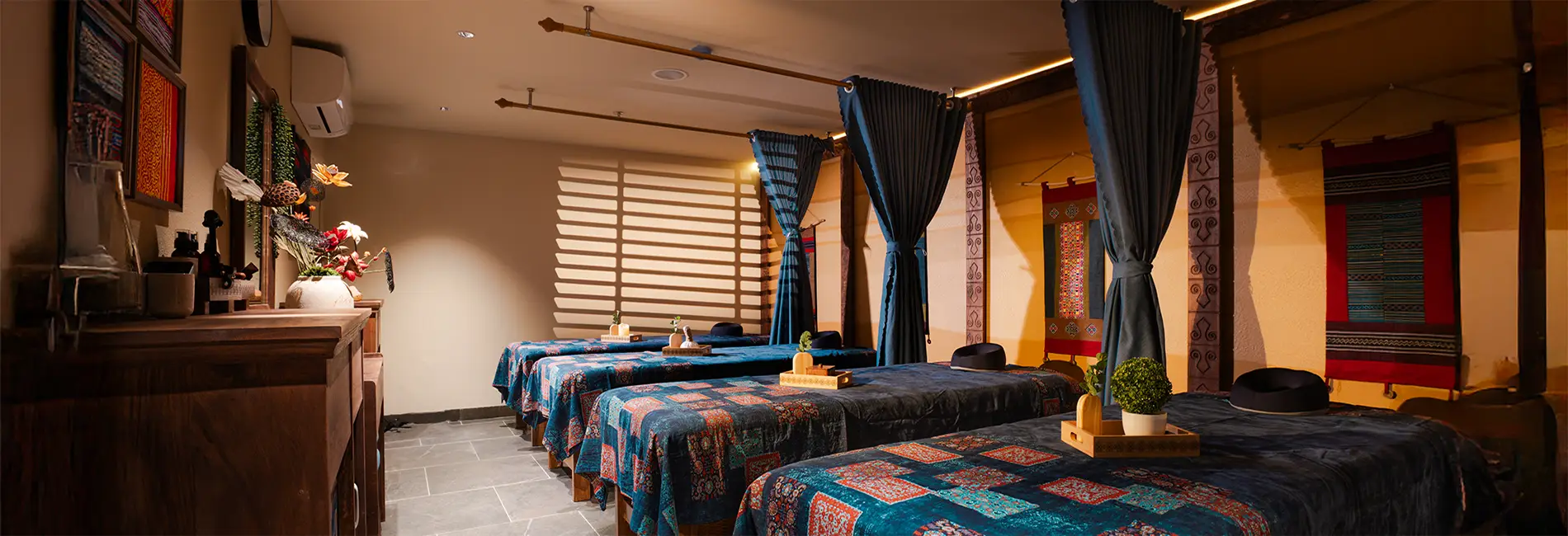
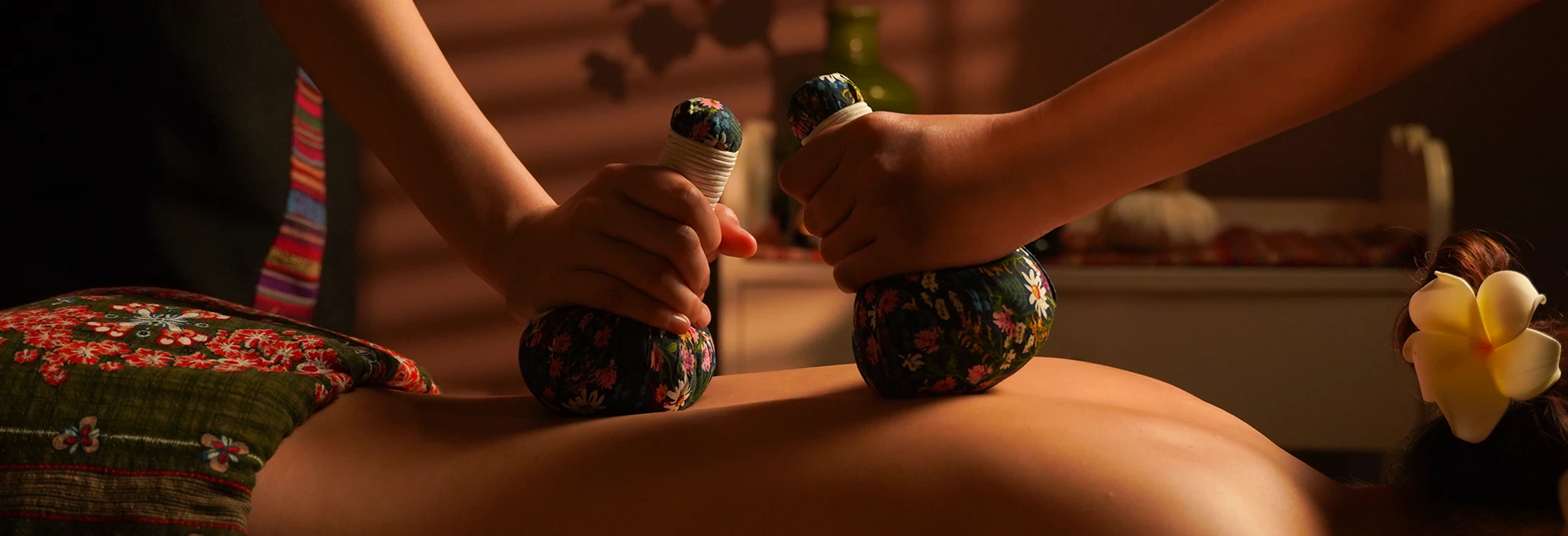
After exploring the Japanese Covered Bridge and taking in its fascinating details, why not treat yourself to a bit of relaxation nearby? Just a few minutes’ walk from the bridge, Herbal Spa Hoi An offers a serene escape where you can unwind with a soothing massage, a refreshing foot soak, or a traditional herbal treatment. This luxury spa is the perfect way to rest your feet, recharge, and reflect on the history you’ve just experienced-making your visit to this iconic landmark even more enjoyable. Discover Herbal Spa Hoi An now!

(May 10, 2026 - December 31, 2026)
15% OFF 8-hands & 6-hands massage
10% OFF 90 & 120-minute services
5% OFF 60-minute services
Enter the code "HBS2026" when booking on our website to enjoy the promotion!
***Promotion applies to bookings made at least 15 minutes in advance.
Hoi An’s Assembly Halls are living reminders of the town’s golden age as an international trading port along the ancient Silk Road. Built by different Chinese merchant communities, these halls were once far more than religious spaces - they functioned as community centers, meeting halls, and places where traders prayed before embarking on dangerous sea voyages.
Today, they are among the most visually striking landmarks in Hoi An Ancient Town, celebrated for their elaborate architecture, vivid colors, and exquisite porcelain craftsmanship. While they may seem similar at first glance, each hall tells a very different story.
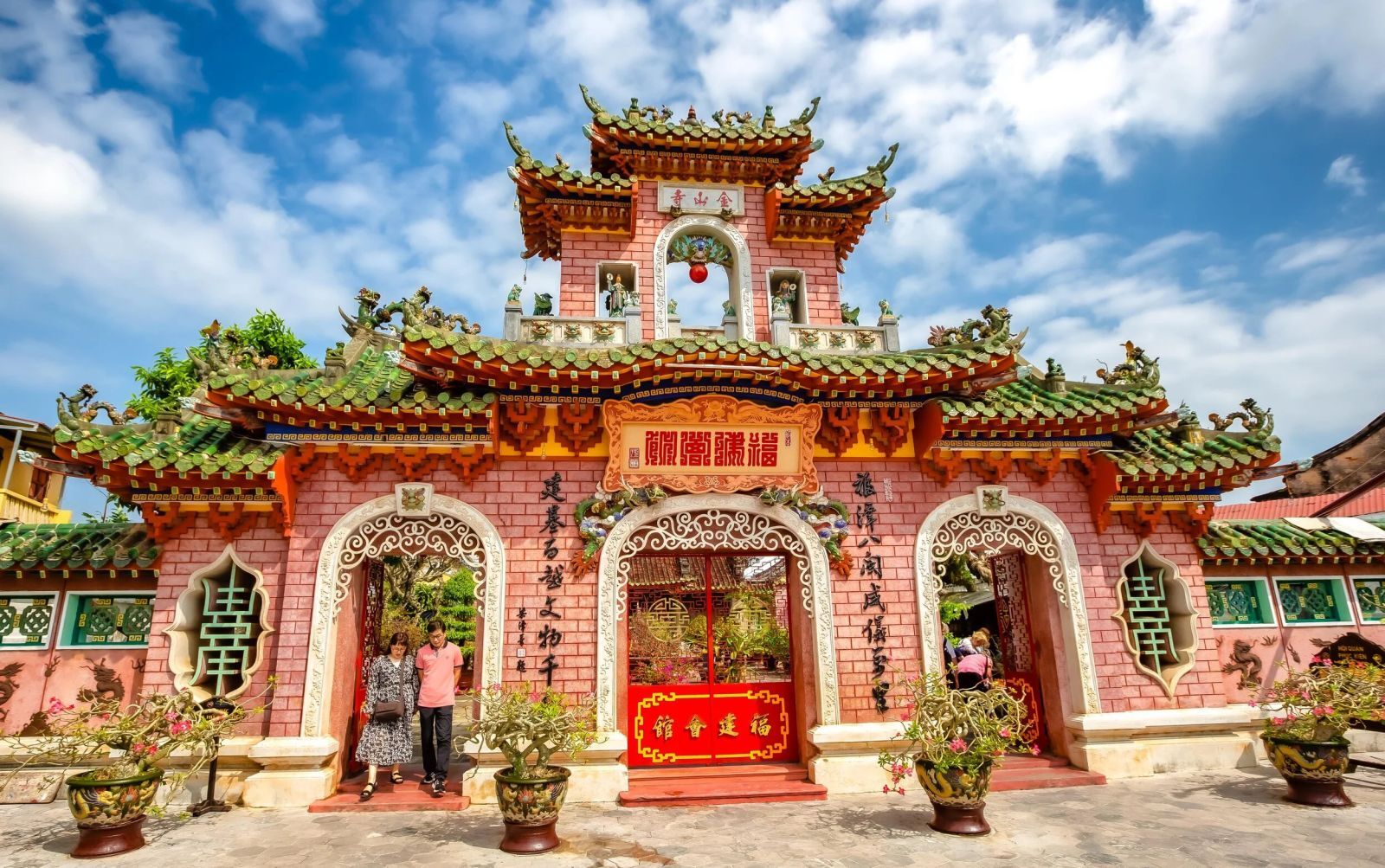
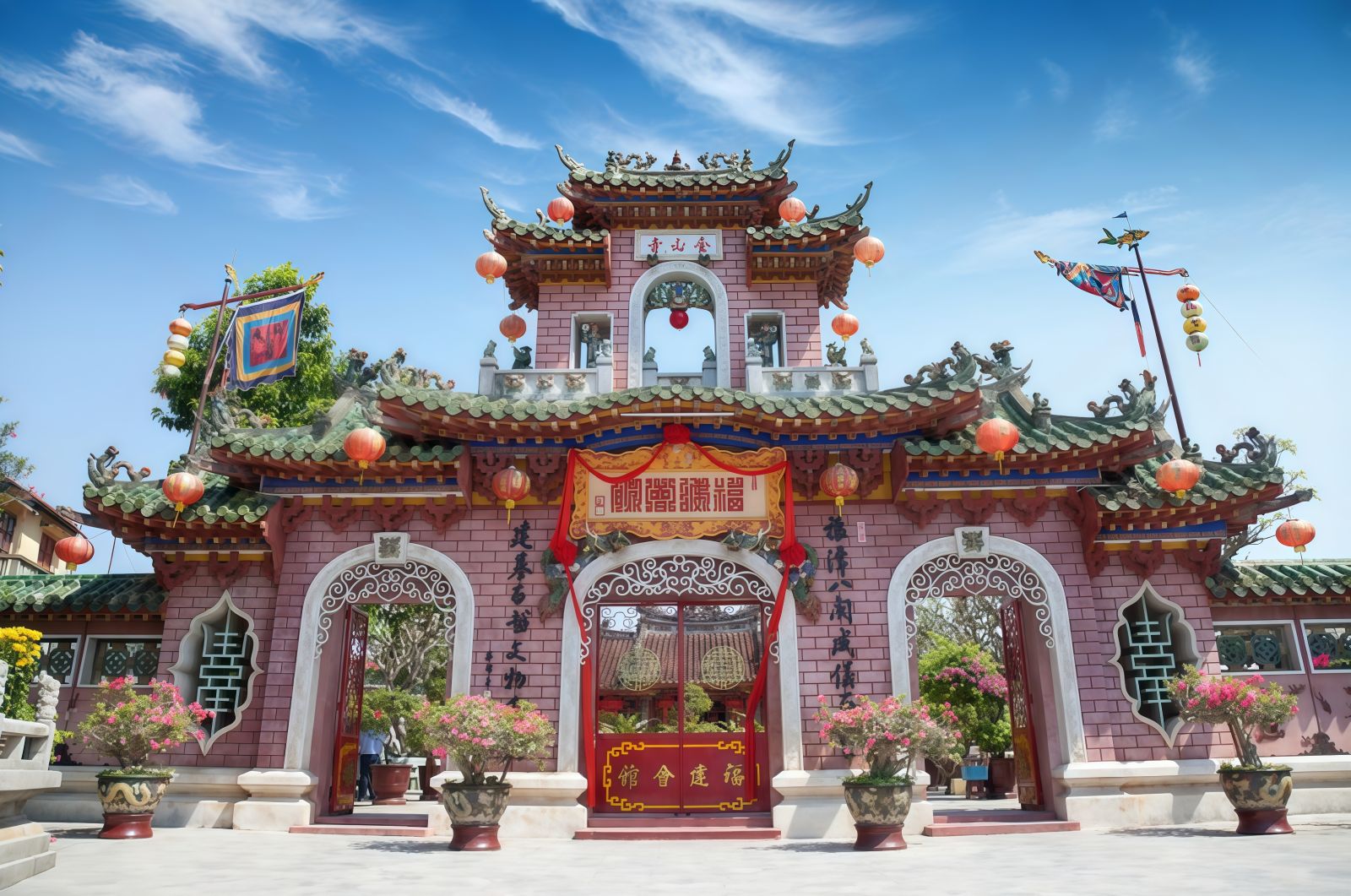
Fujian Assembly Hall (Phúc Kiến)
Located at 46 Tran Phu Street, the Fujian Assembly Hall is the largest and most famous of all. It is dedicated to Thien Hau, the Goddess of the Sea - protector of sailors, fishermen, and long-distance traders.
Step through the ornate gate and you’ll immediately feel the scale of the place. The courtyard opens wide, leading your eyes toward the main altar, while the scent of incense lingers in the air.
The highlight: Look up. Giant spiral incense coils hang from the ceiling, slowly burning for weeks - sometimes up to a full month. Watching them is strangely hypnotic.
A local ritual you can join: Visitors can purchase a small yellow wish paper, write a message for family or loved ones, and attach it to an incense coil. As the smoke rises, locals believe your prayers travel skyward with it.
Why visit: If you only see one assembly hall in Hoi An, this is the most impressive in both scale and atmosphere.
Cantonese Assembly Hall (Quảng Đông)
Just a short walk from the Japanese Covered Bridge, the Cantonese Assembly Hall was built in 1885 by merchants from Guangdong.
Compared to Fujian, this hall feels more intimate - but no less impressive.
The highlight: The courtyard’s dragon fountain, crafted from thousands of colorful ceramic shards. Every scale, curve, and whisker is painstakingly detailed, creating a scene that feels almost alive. It’s one of the most photogenic spots in the Old Town.
Why visit: Compact, richly decorated, and often quieter than Fujian, it offers a peaceful escape from the heat and crowds of Tran Phu Street.
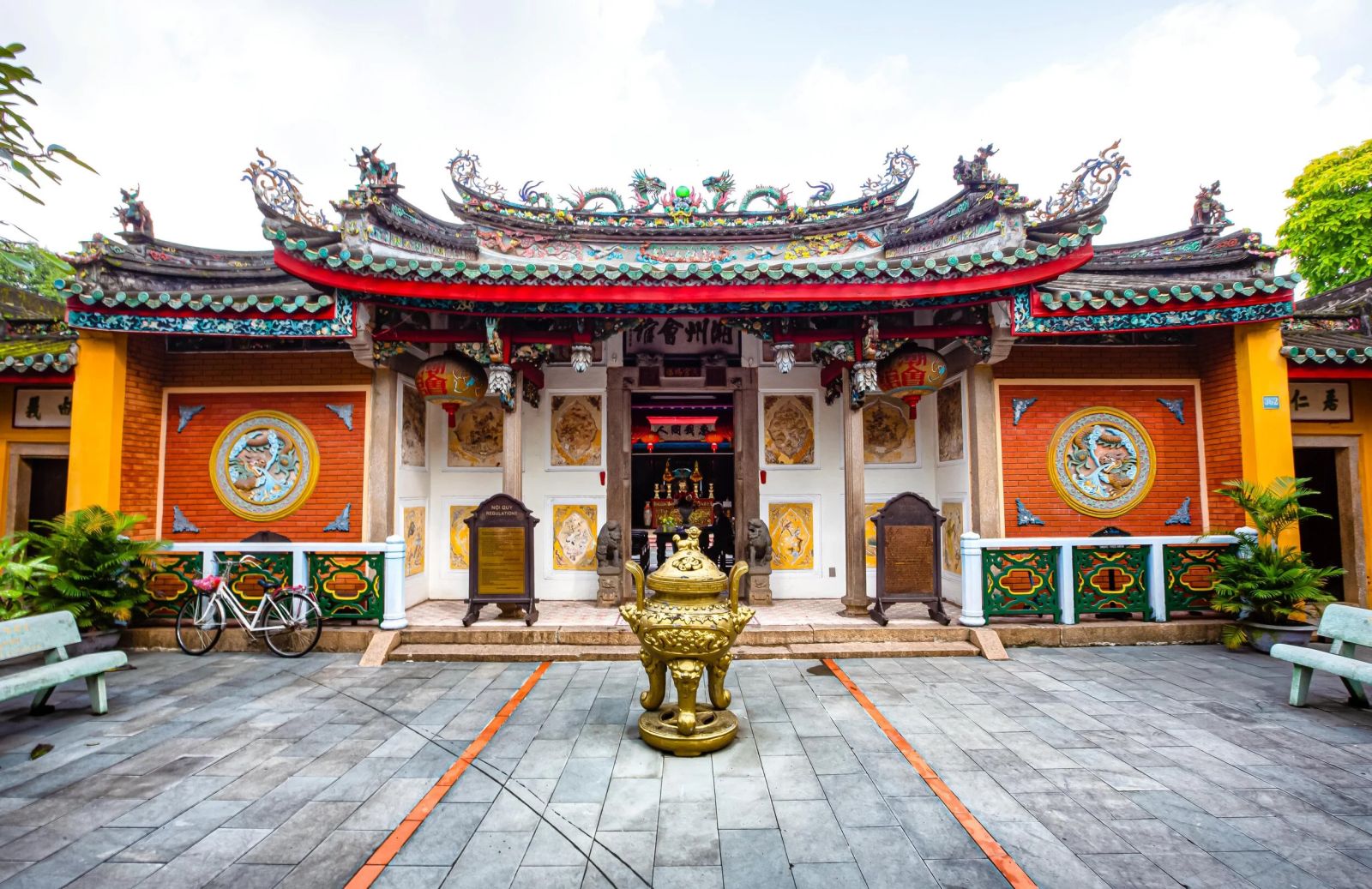
Trieu Chau Assembly Hall (Triều Châu)
Built in 1845, the Trieu Chau Assembly Hall honors Phuc Ba, a deity believed to calm storms and protect seafarers.
This hall is more subdued in size but extraordinary in craftsmanship.
The highlight: Its porcelain-inlaid carvings, created using a traditional technique known as Khay Su. Broken plates, bowls, and vases are transformed into dragons, mythical creatures, and folk scenes embedded directly into walls and roofs. Look closely - every fragment has purpose.
Why visit: It is usually less crowded, making it ideal for travelers who enjoy lingering, observing, and appreciating fine architectural detail in peace.
Practical Tips for Visiting the Assembly Halls
Respect the sanctuary: These halls are still active places of worship. Remove your hat, and make sure shoulders and knees are covered when approaching the main altars.
Be mindful of incense smoke: On festival days, incense coils can produce thick smoke. If you’re sensitive, visit early in the morning when the air is fresher and the halls are quieter.
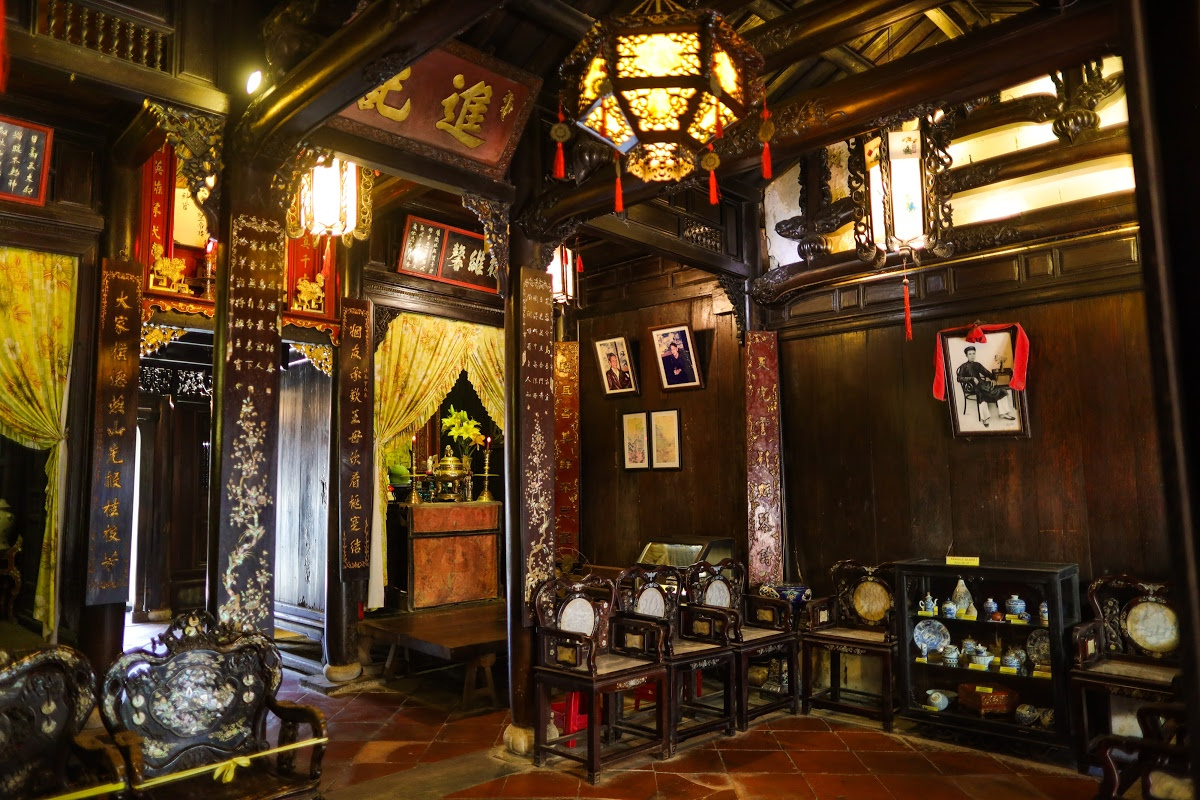
Tan Ky Old House (Tấn Ký)
As the first house in Hoi An to be named a National Heritage site, Tan Ky is a masterclass in symbolism.
The Architecture: Look for the "triple-threat" design: Japanese-style ceilings, Chinese poems inlaid in mother-of-pearl, and Vietnamese traditional beams.
The "Water" Story: Notice the marks on the walls - they show the levels of historic floods (including the massive one in 1964). Despite being underwater many times, the house stands firm thanks to its incredible wooden joinery.
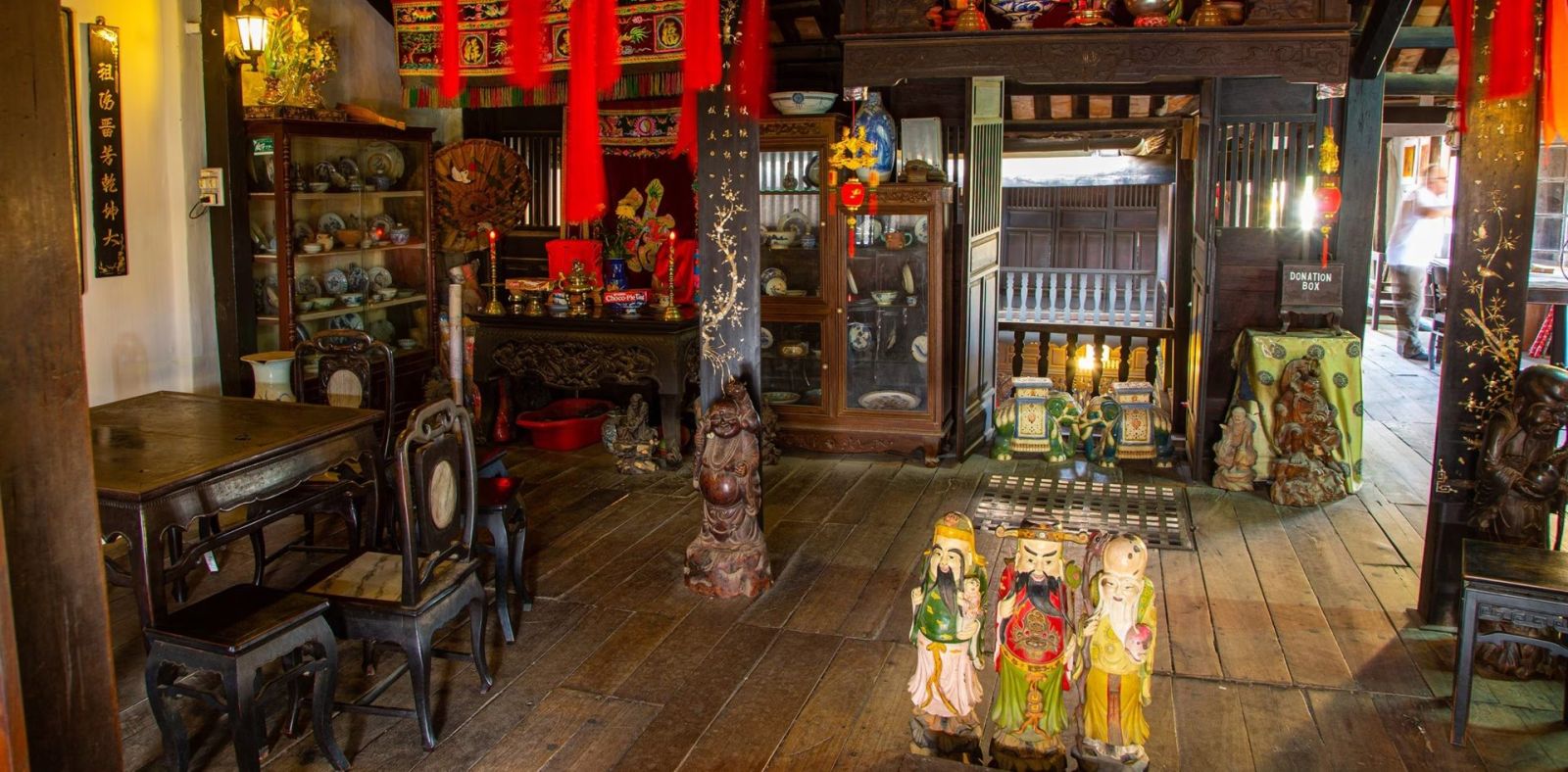
Phung Hung Old House (Phùng Hưng)
Built entirely from rare, sturdy ironwood, this was once the headquarters of a powerful merchant family.
The Vibe: It feels more "urban" and business-oriented. The wide balconies were designed for keeping an eye on the trading streets below while maintaining a breeze.
Pro Tip: Head to the upper floor for a fantastic view of the street life - it’s one of the best spots to see how the house breathes with the town.
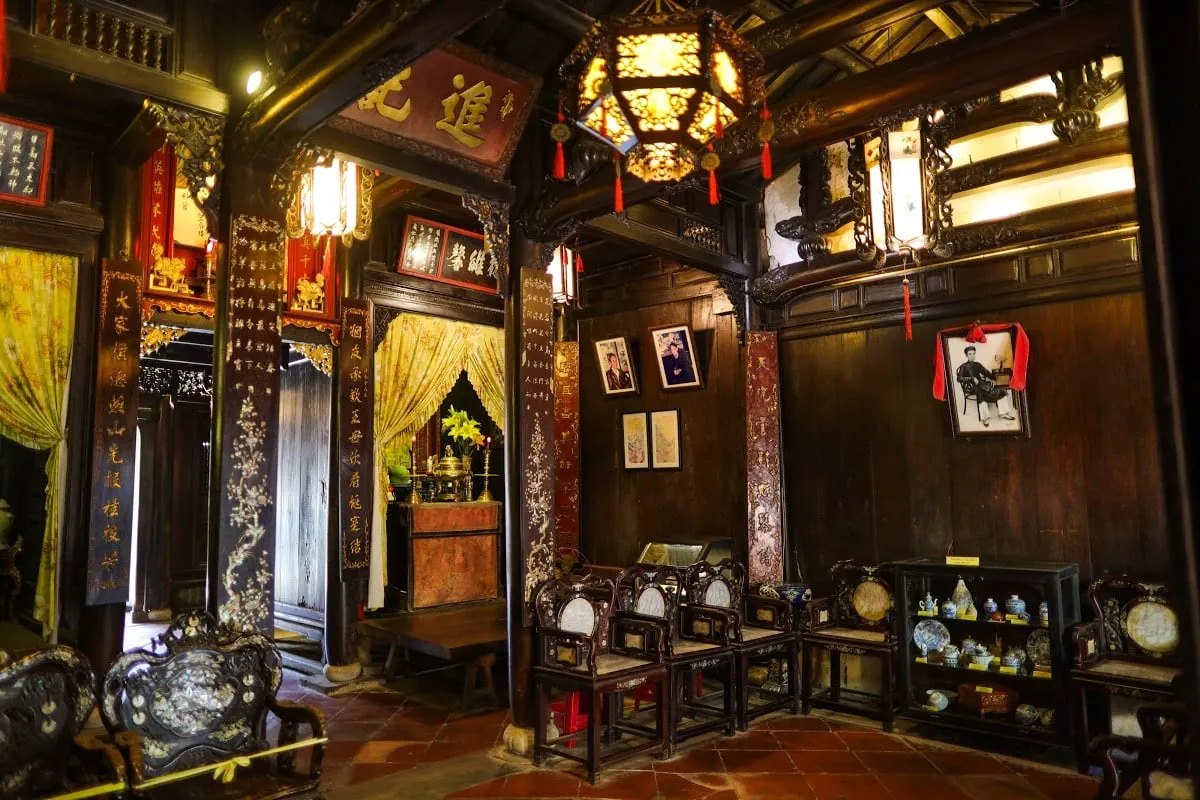
Quan Thang Old House (Quân Thắng)
If you appreciate fine craftsmanship, don't skip this 300-year-old gem. The carvings here (peacocks, flowers, and mythical creatures) were done by the masters of Kim Bong Carpentry Village - the same legendary artisans who built the Imperial palaces in Hue. The level of detail in the wood and stone work is unmatched.
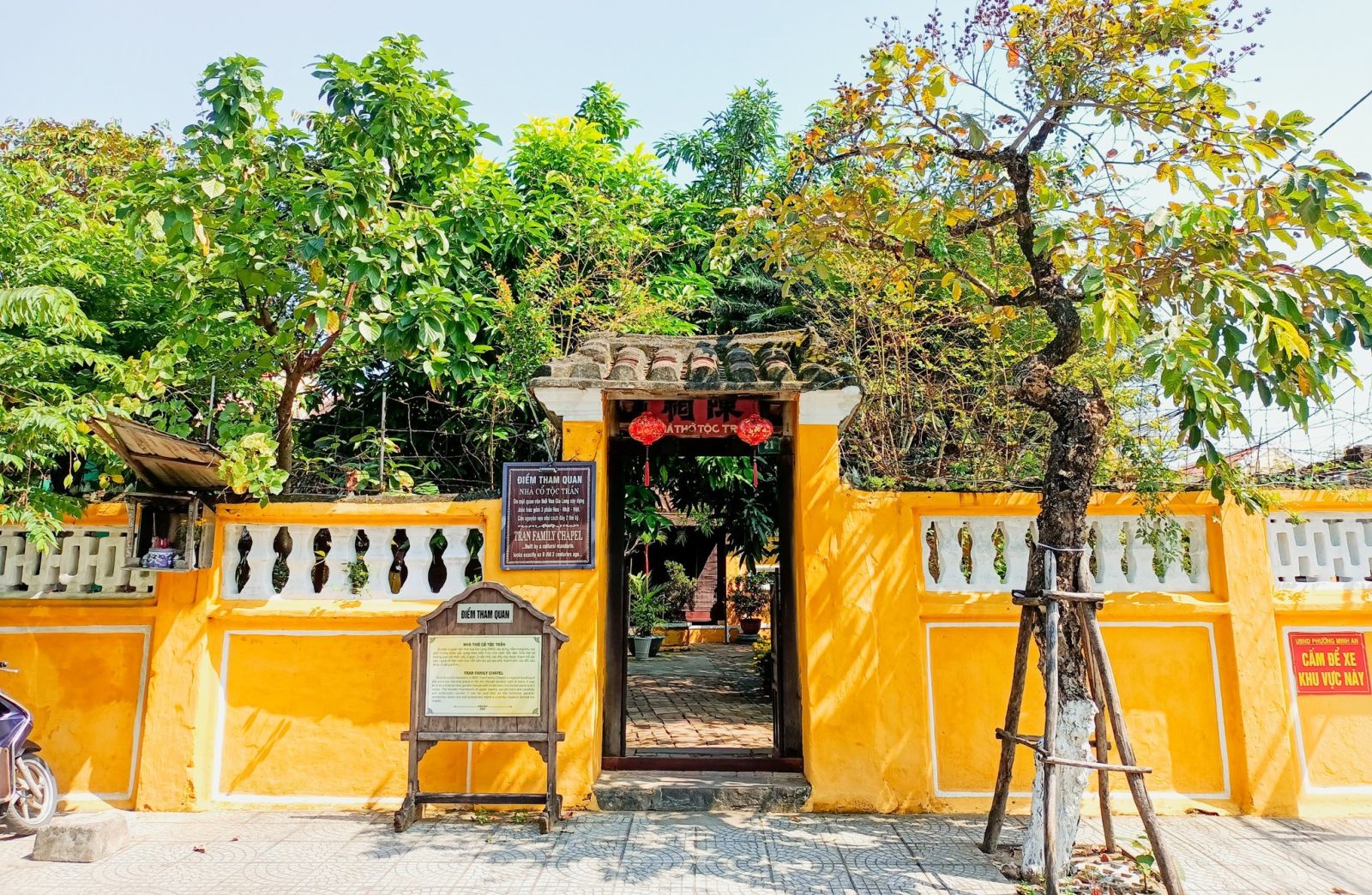
Tran Family Chape
Tucked away in a quiet corner, this chapel is less about trade and more about lineage.
The Setting: Surrounded by a serene garden, it serves as a place for the Tran clan to worship their ancestors.
The Difference: It feels much more intimate and spiritual than the merchant houses. It’s a perfect place to understand the Vietnamese concept of "filial piety" (respect for elders).
Travel Tips for Visiting Old Houses in Hoi An
Many houses are still privately owned - a smile or a polite “Xin chào” goes a long way.
Watch the high wooden thresholds at the entrance, designed as a sign of respect.
Notice the narrow-and-deep “tube house” layout, a clever way families once reduced land taxes.
Together, these Hoi An ancient houses explain why the Old Town feels alive - not preserved behind glass, but quietly continuing its story.
More than places of worship, Hoi An temples and pagodas are living time capsules shaped by centuries of migration and maritime trade. These sacred sites reveal how early settlers prayed, honored loyalty, and sought protection in a bustling international port.
Quan Cong Temple (Ong Pagoda)
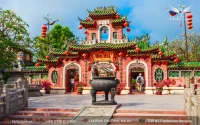
Founded in 1653, this temple is dedicated to General Quan Cong, a historical figure revered for his loyalty, bravery, and integrity.
The Atmosphere: As soon as you step through the gates, you’re greeted by a bold palette of imperial red and mossy greens. The classical Chinese layout, with its open courtyard and intricate wood carvings, feels grand yet deeply grounding.
Why visit: It’s one of the most imposing structures in the Old Town. Look for the statues of the General’s legendary horses - they are local masterpieces of 17th-century sculpture.
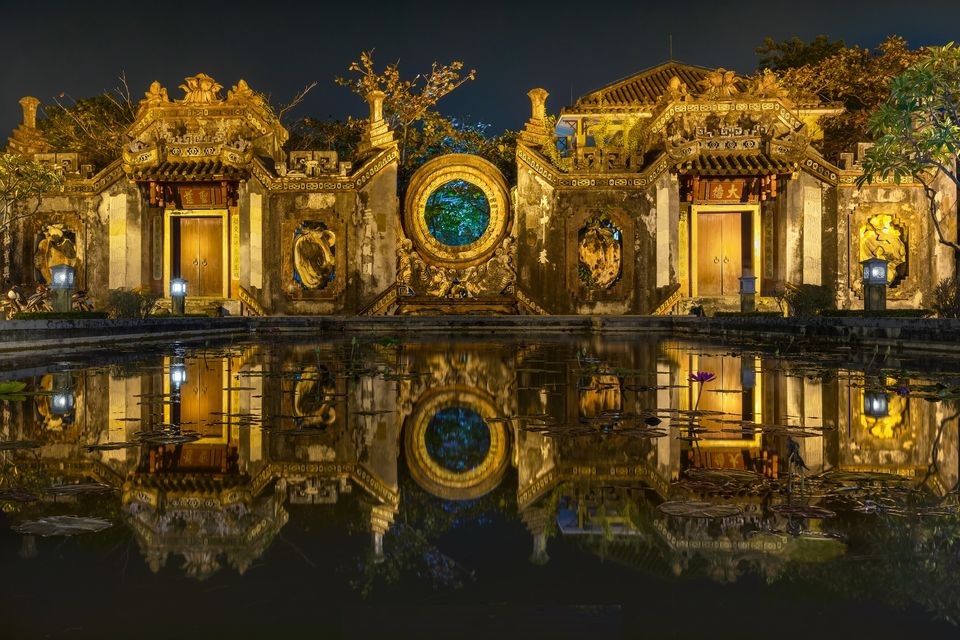
Ba Mu Temple Gate
Recently restored to its former glory, Ba Mu Pagoda (officially Tam Quan Ba Mu) has quickly become a favorite for travelers seeking that perfect Hoi An shot.
The Highlight: The "Tam Quan" gate, with its weathered golden walls, circular openings, and lush lotus pond, creates a stunning backdrop. It’s a perfect fusion of ancient architecture and landscape design.
Pro Tip: While it’s incredibly popular for photography, remember that the back area is still a sacred space. Visit in the late afternoon when the golden sunlight hits the walls for the most magical "glow."
Minh Huong Communal House
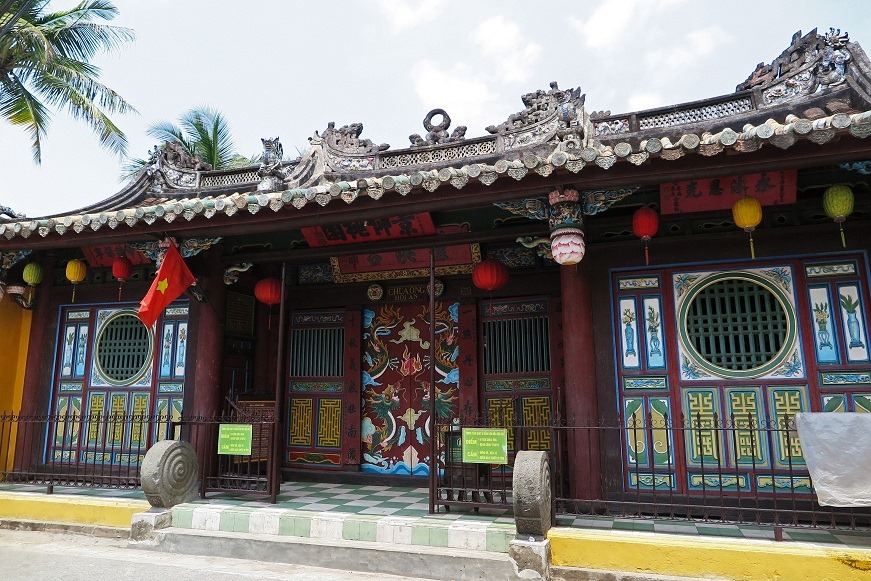
This is the only remaining Buddhist temple located strictly within the pedestrian zone of the Ancient Town. It serves as a spiritual home for the Minh Huong people (Vietnamese of Chinese descent).
The Craftsmanship: The temple houses exquisite wooden sculptures crafted by the legendary artisans of Kim Bong Village. The interior is a quiet sanctuary filled with the scent of agarwood incense.
Why it’s special: It feels less "touristic" and more like a living community shrine where local families still come to pay their respects to their ancestors.
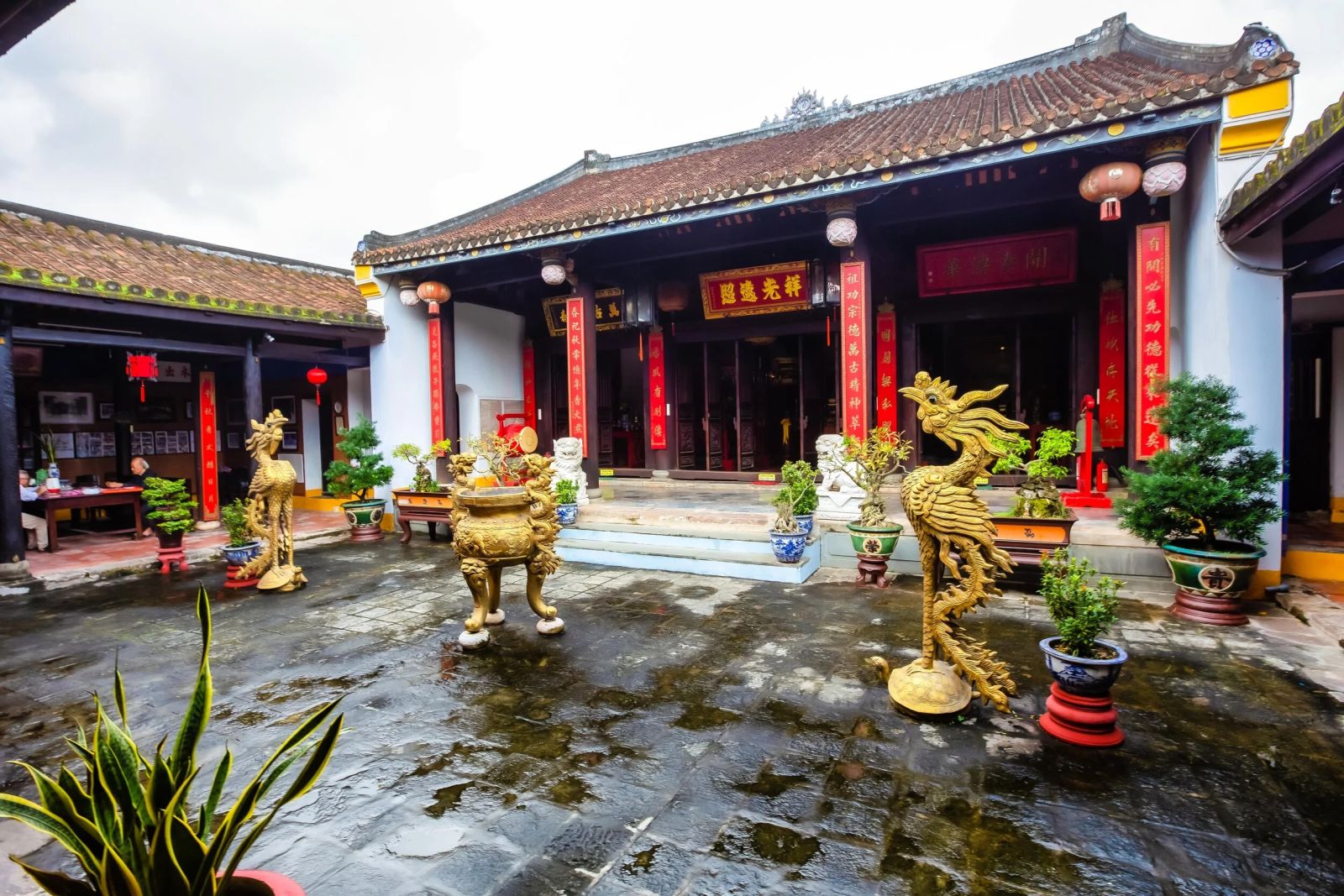
Tips for Visiting Temples and Pagodas in Hoi An
Dress respectfully: cover shoulders and knees.
Step over, not on, raised door thresholds - a sign of respect to the spirits.
Keep voices low and avoid flash photography during prayers.
Together, these Hoi An temples and pagodas add spiritual depth to the Old Town, reminding visitors that Hoi An is not only beautiful - it is deeply rooted in belief, tradition, and community.
If the Ancient Town is Hoi An’s poetic soul, then the Hoi An Market is its vibrant, unapologetic heart. Located at the eastern edge of the pedestrian zone, this is where the postcard-perfect streets meet everyday local life. The market buzzes with vendors selling fresh herbs, tropical fruits, and seafood straight from the Thu Bon River.
The real highlight is the Food Hall, where travelers can savor Central Vietnam’s authentic flavors. Must-try dishes include Cao Lau (chewy noodles with pork and greens), Mi Quang, and Banh Xeo (crispy pancakes). You’ll sit on tiny stools, elbow-to-elbow with locals, enjoying bold flavors at wallet-friendly prices.

Insider Tips for Visiting Hoi An Central Market
Early Bird Advantage: Arrive between 6:30 AM and 8:00 AM to see fishermen unload their catch and vendors arranging fruit pyramids.
Banh Mi Stop: Just outside the market, try the world-famous Banh Mi Phuong or Madam Khanh for a classic local breakfast.
Mind Your Senses: The market is lively and aromatic - a polite “No, thank you” works perfectly if you’re overwhelmed by tastings.
Visiting Hoi An Central Market isn’t just about food; it’s about witnessing the daily rhythms of a living town while tasting its most iconic dishes. For anyone exploring the Old Town, this is where Hoi An truly comes alive.
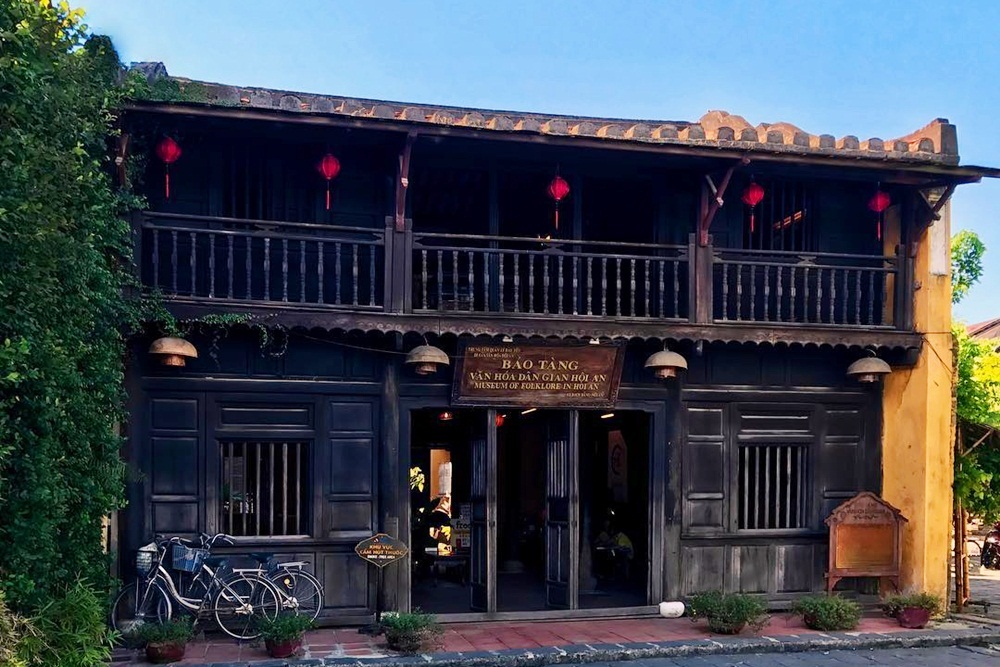
While the streets of the Old Town set the scene, the Hoi An Museum of Folk Culture reveals how everyday life once unfolded behind those yellow walls. This is where you discover how people lived, worked, celebrated, and believed in Hoi An’s trading past.
Opened in 2005, the museum showcases nearly 500 artifacts reflecting the folk culture of Quang Nam – Hoi An. These are not royal relics or trading records, but the objects of daily life: fishing tools, farming implements, traditional costumes, ritual items, and handicrafts that shaped the rhythm of the town for centuries.
Rather than telling a political history, the museum documents human stories - family traditions, communal festivals, beliefs, and livelihoods influenced by both the sea and the river. From fishing villages and farming communities to merchant households, each exhibit captures how culture was formed and passed down through generations.
Think of this museum as a living diary of Hoi An’s people. It preserves the intangible heritage - customs, rituals, and ways of life - that continue to define the town beyond its architecture.
Hoi An’s food scene is a masterclass in balance: crunchy and soft, sweet and savory, fresh and fermented. Here is the ultimate "hit list" for your taste buds:
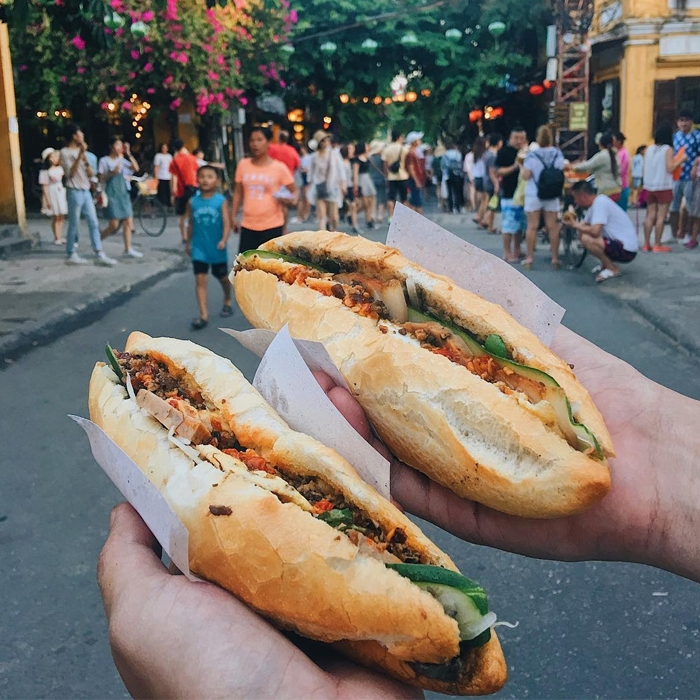
Best Banh Mi in Hoi An - The most famous Vietnamese street food
While Banh Mi is found across Vietnam, the version here is legendary. Anthony Bourdain famously put Banh Mi Phuong on the global map, and for good reason.
The Secret: It’s all about the texture. The baguette is remarkably crisp on the outside and airy inside, stuffed with over 20 optional fillings like pate, char siu, or chicken with avocado. But the real magic? The secret homemade sauce that ties it all together.
Price: 20,000–40,000 VND.
Pro Tip: Expect a queue at Phuong’s, but don't overlook "Madam Khanh – The Banh Mi Queen" for an equally royal experience.
Cao Lau - A yummy Hoi An specialty in the Ancient Town
Cao Lau is the signature dish of Hoi An. Legend says the noodles must be processed with water from the thousand-year-old Ba Le Well to get their unique chewy texture and golden hue.
The Experience: Topped with sliced char siu pork, crunchy deep-fried pork skin, and fresh herbs, it’s served with very little broth.
Price: 30,000 – 60,000 VND.
Traveler’s Note: Find a spot with a second-floor balcony overlooking the street. Watching the lanterns glow while slow-chewing Cao Lau is a quintessential Hoi An moment.

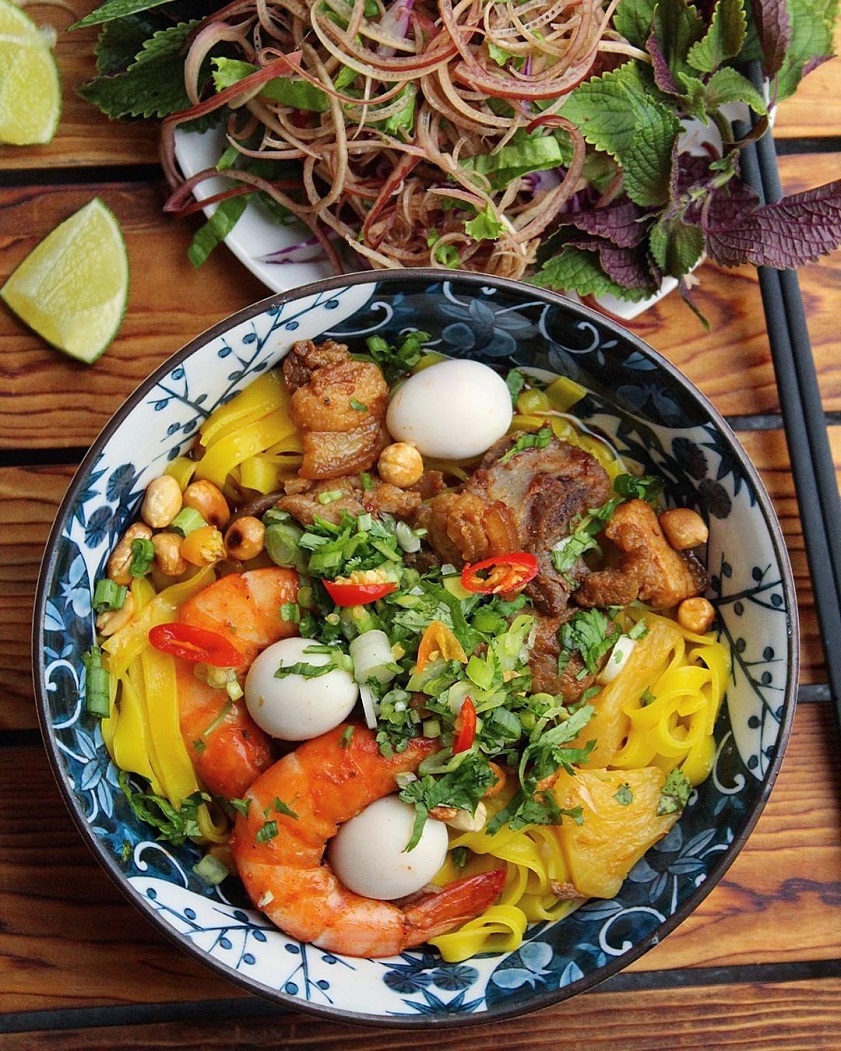
Quang noodles - A signature dish of Hoi An cuisine
If Cao Lau is the "king" of Hoi An, Mi Quang is the "soul" of Central Vietnam.
The Flavors: It’s a vibrant bowl of rice noodles tinted yellow with turmeric, served with a rich, concentrated broth, chicken or shrimp, and topped with toasted peanuts and crispy rice crackers.
Price: 15,000 – 25,000 VND. (The most budget-friendly "soul food" you’ll find!)
Hoi An Chicken Rice (Com Ga) - A tasty Vietnamese food in Hoi An style
This isn't just "chicken and rice." The rice is cooked in chicken stock and turmeric to create fragrant, golden grains.
The Vibe: It’s served with shredded chicken tossed with lime, onions, and herbs, accompanied by a signature spicy-savory sauce and a small bowl of clear broth.
Price: From 20,000 – 45,000 VND. It’s light, zesty, and perfect for a humid afternoon.

Banh Xeo (Vietnamese Pancake)
Tourists are often captivated by the "sizzle" (Xeo) of these golden pancakes.
The Ritual: Wrap the crispy crepe - filled with fresh shrimp, pork, and bean sprouts - inside a thin sheet of rice paper with herbs. The star of the show is the creamy peanut and soy dipping sauce, which is rich, nutty, and slightly sweet.
Price: 10,000 – 20,000 VND per pancake.

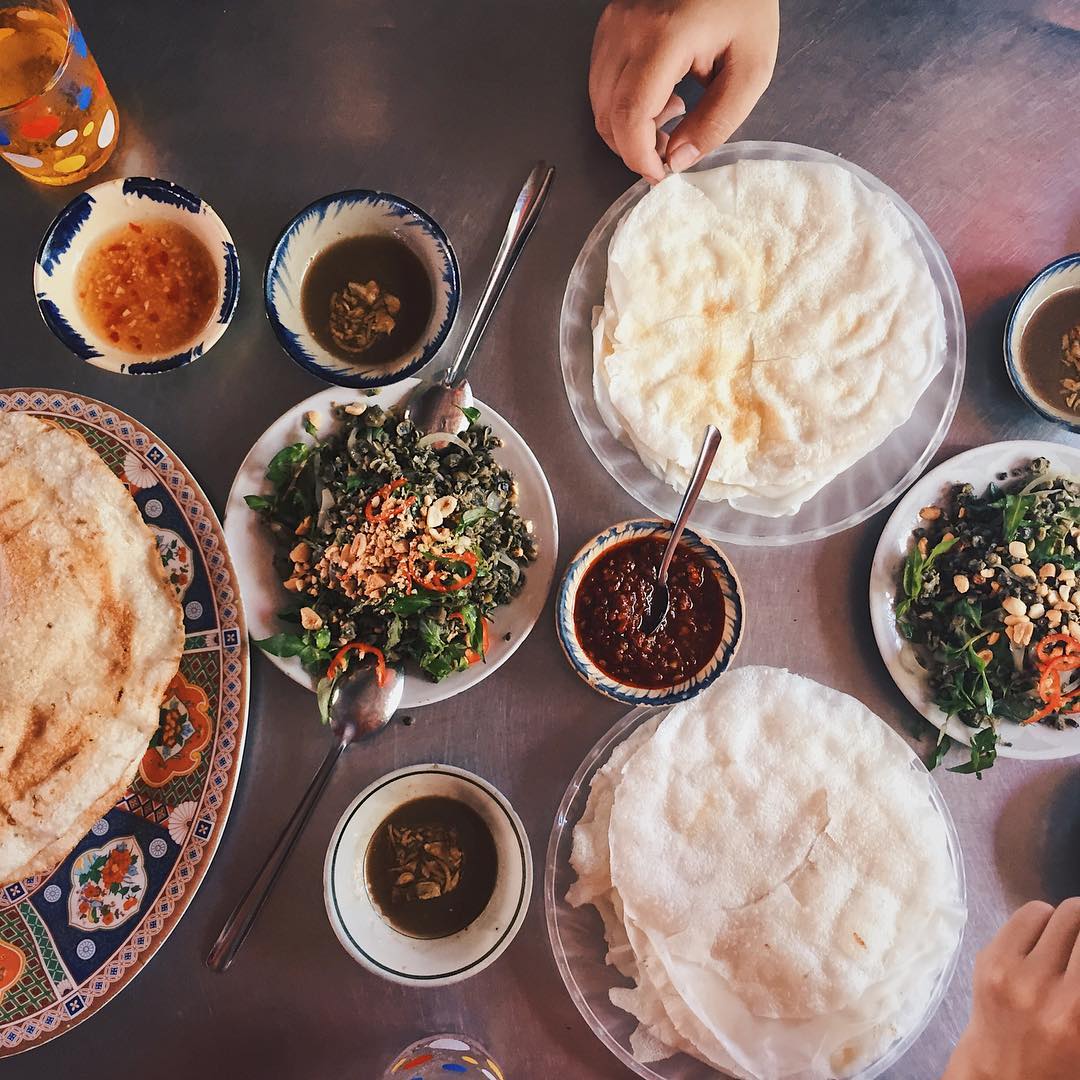
Banh Dap (Smashed rice pancake)
For a unique snack, look for "Banh Dap."
The Action: You take two layers of crispy rice crackers, place a soft steamed rice sheet in between, and "smash" them together.
The Pairing: It is served with juicy stir-fried mussels from the local river. Dip it into fermented fish sauce for a burst of coastal umami.
Price: 15,000 – 50,000 VND depending on the size of the mussel plate.
Expert Foodie Advice:
Street Food Hygiene: Stick to stalls where you see a high turnover of locals. The food is freshest when it's moving fast!
The "Morning Market" Trick: For the most authentic (and cheapest) breakfast, head into the Central Market food hall around 7:30 AM.
Adjust the Spice: Central Vietnamese food loves its chili. If you're sensitive, always ask for the chili sauce on the side ("không cay").
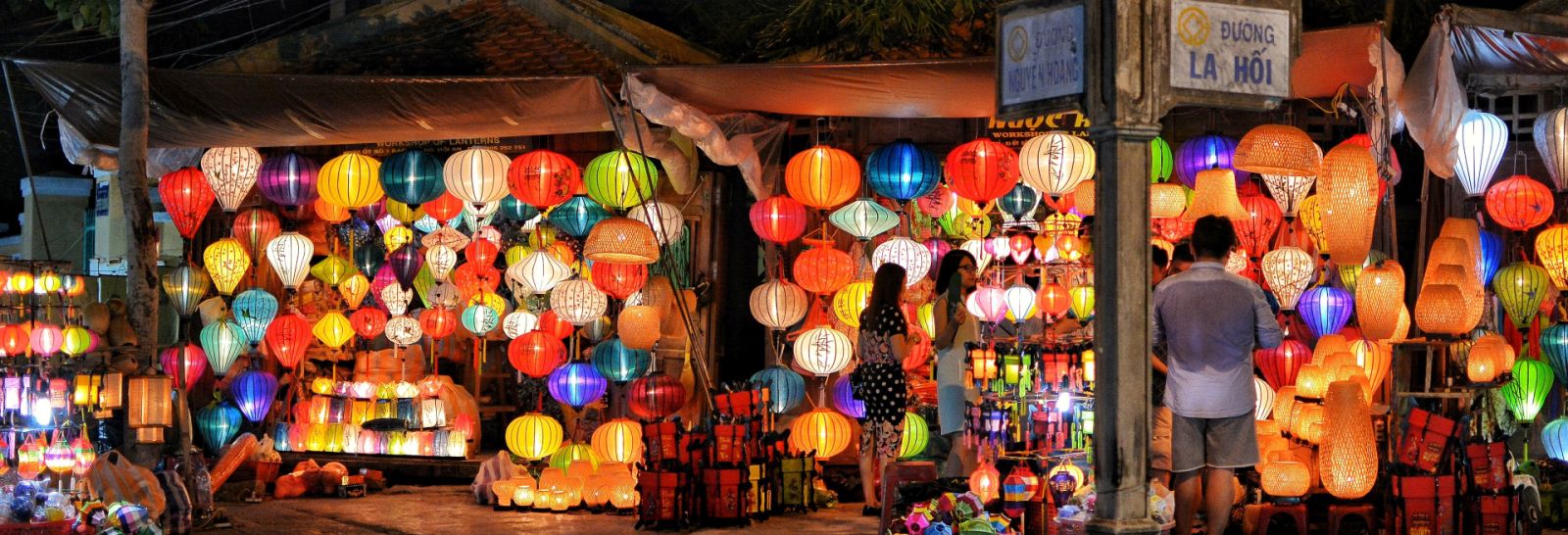
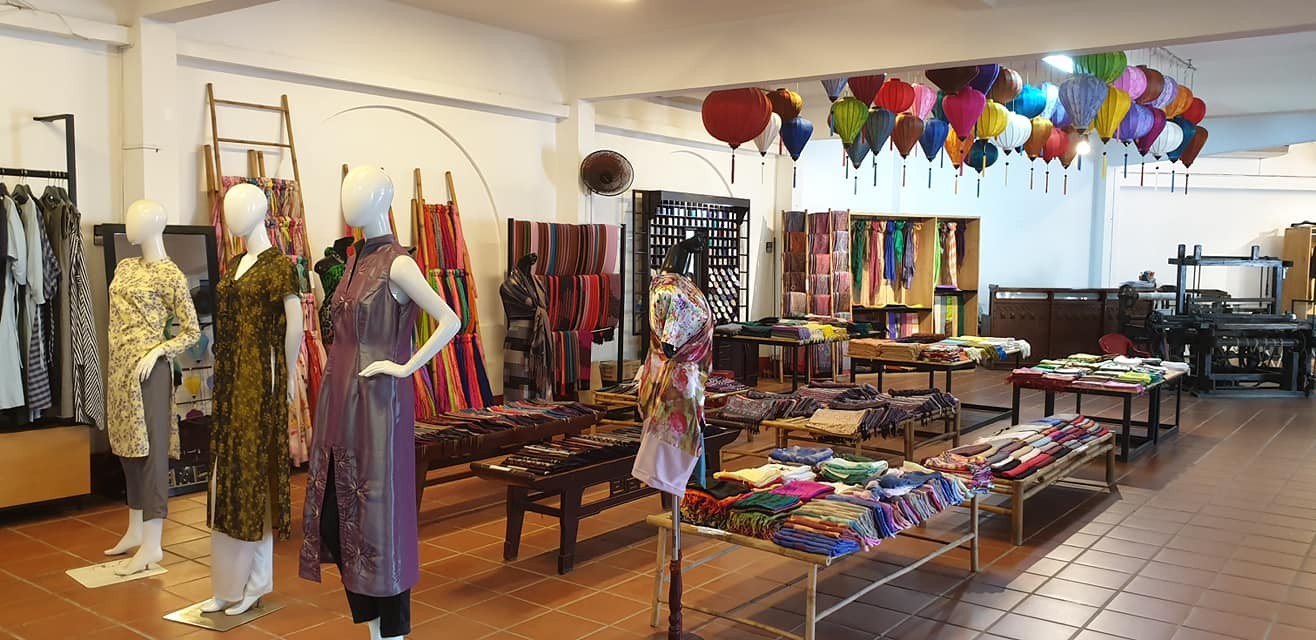
Silk Lanterns
You cannot think of Hoi An without picturing its glowing streets. These lanterns are more than just decorations - they are a craft perfected over generations.
The Craft: Built on sturdy bamboo frames and wrapped in vibrant Vietnamese silk, they come in every shape and size imaginable.
Travel Tip: Don’t worry about the bulk! Most lanterns are designed to collapse flat, making them incredibly easy to pack without losing their shape.
Tailor-Made Ao Dai
For the fashion-forward traveler, a custom-fitted Ao Dai (Vietnam’s national dress) is the ultimate souvenir. Hoi An is world-renowned for its "express tailoring" culture.
The Experience: You can choose your fabric and have a sophisticated, modest, yet modern garment fitted to your exact measurements within 24 to 48 hours. It’s a rare blend of traditional elegance and personal style.
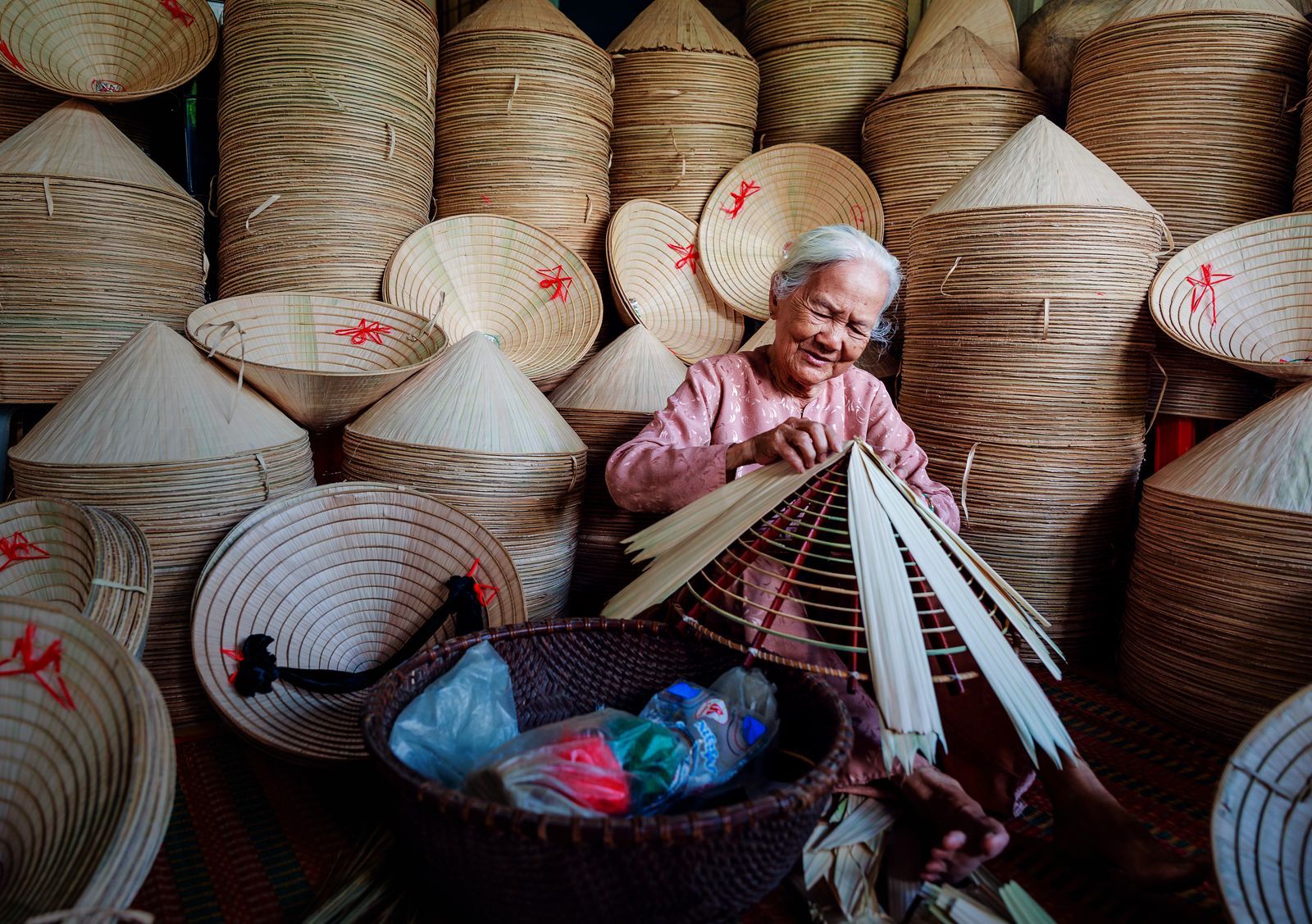
The Conical Hat (Non La)
The Non La is the quintessential symbol of Vietnamese rural life. Beyond its practical use as sun protection, it represents the quiet elegance of Vietnamese women.
Why buy it: It’s a piece of "living culture." Many visitors love the decorative versions which feature delicate poems or paintings hidden inside the brim, visible only when held up to the light.
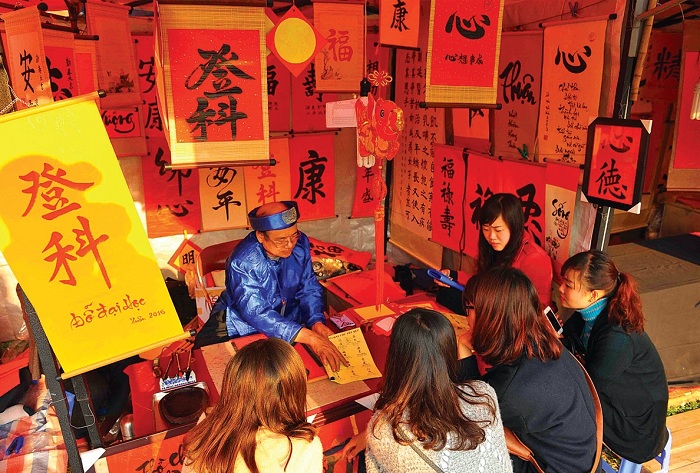
Calligraphy
In the quiet corners of the Old Town, you’ll find scholars practicing the ancient art of calligraphy. Each flexible, rhythmic ink stroke carries a wish - be it for "Peace," "Longevity," or "Happiness." Asking a scholar for a piece of calligraphy is believed to bring good luck to you and your loved ones. It’s a soulful, lightweight gift that tells a story.
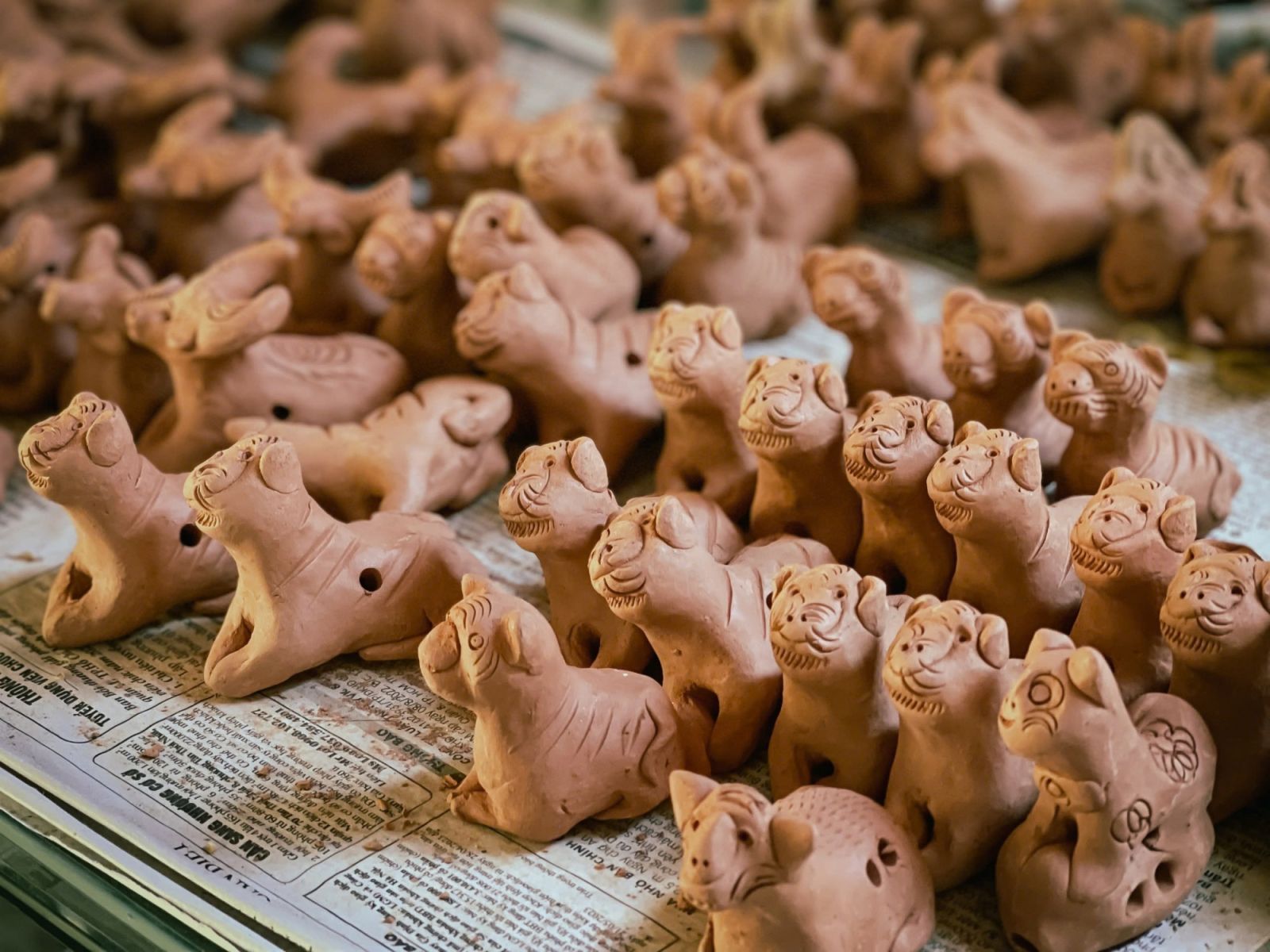
To He
Hailing from the nearby Thanh Ha Pottery Village, these small clay figurines (known as To He) have been part of Hoi An’s heritage for centuries. The Fun Factor: Sculpted into the shapes of the 12 zodiac animals, these figurines double as whistles. They are eco-friendly, handcrafted, and a guaranteed hit with children (or the young at heart!).
Hoi An is located just 30 kilometers (18 miles) south of Da Nang, making Da Nang the most convenient gateway to this charming UNESCO World Heritage town. Since Hoi An does not have its own airport or train station, most travelers first arrive in Da Nang, then continue on to Hoi An by road.
How to Get to Da Nang
By Air
Da Nang International Airport (DAD) is well connected with major cities in Vietnam.
Direct flights from Hanoi and Ho Chi Minh City
Airlines: Vietnam Airlines, VietJet Air, Bamboo Airways
Flight time: ~1.5 hours
Pro Tip: To get the best fares, book 3–6 months in advance, especially during peak travel season (April–August).
By Train
Traveling by train is a great option for those who enjoy slow travel and beautiful landscapes.
Route: Reunification Express (North–South Railway)
Travel time: 14–20 hours from Hanoi or Ho Chi Minh City
Ticket price: 400,000 – 1,200,000 VND, depending on seat class
Expert Tip: Choose a Soft Sleeper for overnight journeys. The section between Hue and Da Nang is considered one of the most scenic train rides in Southeast Asia, with dramatic mountains and coastline views.
How to Get from Da Nang to Hoi An
Once you arrive in Da Nang, you have several convenient ways to cover the final 30 km to Hoi An.
By Motorbike
Perfect for adventurous travelers who want to enjoy the coastal scenery.
Rental cost: 120,000 – 150,000 VND/day
Route: Follow Vo Nguyen Giap Street along the coastline from My Khe Beach toward Cua Dai Beach
Turn right to reach Hoi An Ancient Town
Turn left for An Bang Beach
Along the way, you’ll be treated to stunning ocean views - one of the most beautiful rides in central Vietnam.
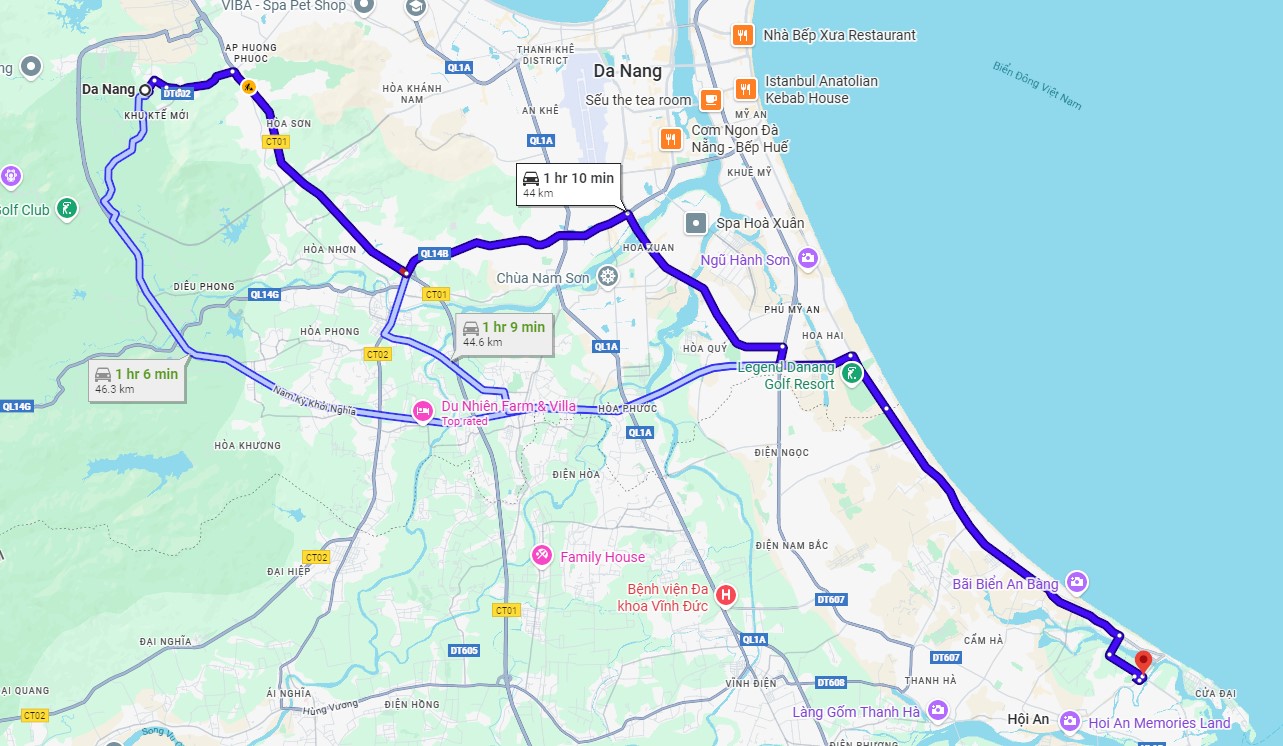
By Taxi
The best option for families, groups, or travelers with luggage.
Cost: 250,000 – 400,000 VND
Travel time: 45–60 minutes
Recommended:
Use Grab for clear pricing and convenience
Or book a private transfer through your hotel, often cleaner and more reliable than street taxis
By Bus
The cheapest way to travel, though less flexible.
Buses depart every 15–30 minutes
Cost: Very affordable
Last bus from Hoi An: around 5:30 PM

Important Note: If you plan to stay in Hoi An in the evening to see the lanterns, you’ll need to return to Da Nang by taxi or Grab, as buses stop early.
For first-time visitors, flying into Da Nang and continuing to Hoi An by taxi or private car offers the best balance of comfort, speed, and convenience. For those who love scenery and freedom, a motorbike ride along the coast is an unforgettable experience.
>> See more:
Hoi An offers a diverse range of stays, but the "best" area depends on your vibe:
The Old Town (Ancient Heart): Best for those who want to be steps away from the lanterns. Expect charming boutique hotels and higher prices.
Cam Chau/Cam Son (The Green Belt): Located between the Old Town and the beach. This area is famous for scenic homestays overlooking rice paddies. It’s quieter, more affordable, and offers a glimpse into local life.
An Bang Beach: Ideal if you want a "Sun, Sand, and Spritz" vacation while being only a 10-minute taxi ride from the ancient streets.
.webp)
While it’s easy to get lost in the slow pace of Hoi An, the town is also the perfect "base camp" for exploring the diverse landscapes of Central Vietnam. If you have a few extra days, these three destinations offer a perfect mix of history, city life, and raw adventure.
Hue: The Imperial Majesty (100 km North)
If Hoi An is the charming merchant town, Hue is the dignified royal soul of Vietnam. As the former capital of the Nguyen Dynasty, it is a must-visit for history buffs.
The Highlight: Spend your day wandering through the sprawling Imperial Citadel, a complex of palaces and temples, or boat down the Perfume River to visit the grand, ornate Royal Tombs.
Travel Tip: The drive from Hoi An to Hue via the Hai Van Pass is legendary - often cited as one of the most beautiful coastal roads in the world.
Da Nang: The Modern Pulse (30 km North)
Just a short hop away, Da Nang offers a vibrant contrast to Hoi An's ancient stillness. It’s a city where modern bridges meet pristine nature.
The Highlight: Soak up the sun at My Khe Beach (once voted among the world's most beautiful), explore the intricate artifacts at the Museum of Cham Sculpture, or drive up the Son Tra Peninsula to see the Giant Lady Buddha statue.
Travel Tip: If you visit on a weekend, don't miss the Dragon Bridge at 9:00 PM when it literally breathes fire and water!
Quang Binh: The Kingdom of Caves (300 km North)
For those with an appetite for adventure, Quang Binh is the "final frontier." It is home to Phong Nha-Ke Bang National Park, a UNESCO World Heritage site featuring some of the world’s largest and most spectacular caves.
The Highlight: Take a boat through the glowing chambers of Phong Nha Cave or trek into the surreal, karst landscapes that feel like another planet.
Travel Tip: This is a longer journey (about 6 hours by train or car), so it’s best planned as a 2-day trip rather than a single day excursion.

Hoi An is not just a destination; it is an experience that stays with you long after you’ve left its yellow-walled alleys. Recognized as a UNESCO World Heritage Site in 1999, this ancient town is a rare "living museum" where natural landscapes, romantic riverfronts, and centuries of cultural exchange converge.
Whether you are seeking the rustic beauty of a sunrise over the rice fields, the thrill of tasting world-famous street food, or the spiritual stillness of a lantern-lit evening, Hoi An offers a sanctuary from the modern world. Its charm lies in the small things: the smell of incense, the vibrant colors of silk, and the genuine smiles of the local people.
Sources:
- UNESCO World Heritage Centre: https://whc.unesco.org/en/list/948/
- Wikipedia: https://en.wikipedia.org/wiki/Hoi_An_Old_Town
- Academic Book: Ancient Town of Hoi An: International Symposium Held in Danang on 22-23 March 1990
Khám phá thêm về Herbal Spa
(May 10, 2026 - December 31, 2026)
15% OFF 8-hands & 6-hands massage
10% OFF 90 & 120-minute services
5% OFF 60-minute services
Enter the code "HBS2026" when booking on our website to enjoy the promotion!
***Promotion applies to bookings made at least 15 minutes in advance.





![Things to Do in Hoi An [2026]](https://herbalspa.vn/data/news/200/35-best-things-to-do-in-hoi-an-vietnam-2025-insiders-guide-947.webp)