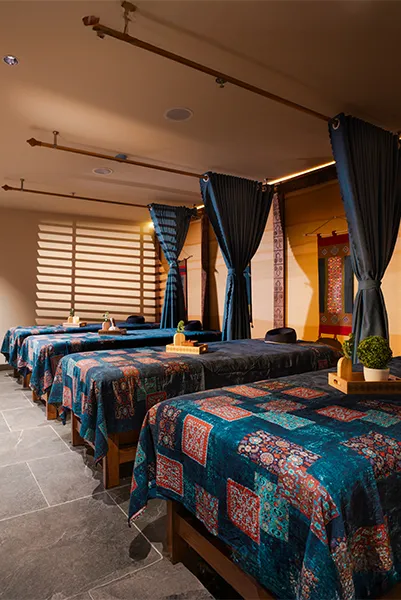


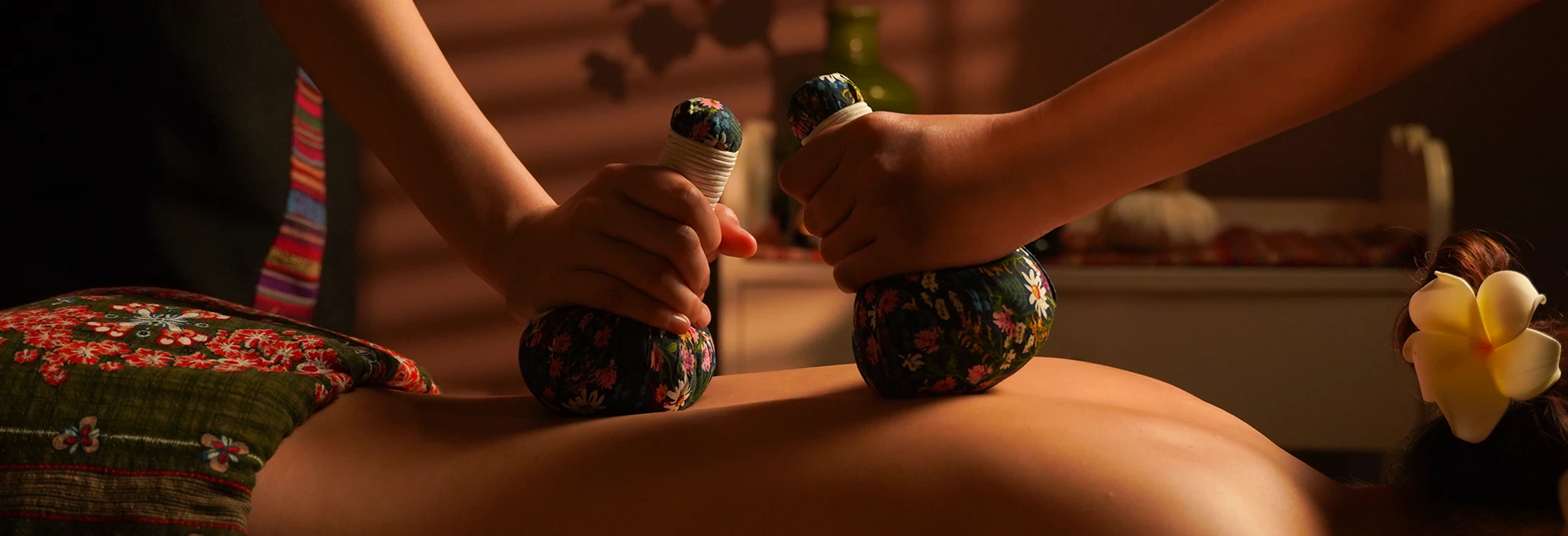
Have you ever wondered, “How often should I get a massage for knots?” Massage therapy can be a powerful method for combating those tight, achy muscle knots. These knots are essentially contracted areas within the muscle that feel hard and sensitive. They can occur anywhere in the body but commonly appear in the upper back and legs. The good news is, muscle knots are quite common and often arise from muscle irritation. While techniques like acupuncture and massage techniques can also be helpful, this guide focuses specifically on massage therapy. Here’s a look at the ideal massage frequency for tackling those pesky knots.
Muscle knots can be a real nuisance, causing pain, tightness, and restricting your movement. But massage therapy offers a natural and targeted approach to tackling these issues head-on. By directly addressing the tight muscle fibers within the knot, massage therapy can significantly reduce pain and discomfort. Massage techniques work to loosen these knots, allowing your muscles to move more freely and increasing your flexibility.
Therapists can also specifically target trigger points within the knots, further alleviating pain and tension. With massage therapy, you can experience a significant improvement in your experience with muscle knots, allowing you to move with greater ease and feel less discomfort.

Massage therapy offers a natural and targeted approach to addressing muscle knots
>> Top 15 Best Spa Hoi An, Vietnam
“How often should I get a massage for knots” is determined by how intense your current knot situation is. The severity of your knots plays a key role – mild knots might only need massages weekly or bi-weekly, while severe ones might benefit from a more aggressive two to three session per week.
Your lifestyle habits also come into play. If you engage in activities that tighten muscles, like poor posture or intense exercise, more frequent massages might be necessary. On the other hand, a relaxed lifestyle with good posture could allow for less frequent sessions.
Finally, your pain tolerance is crucial. Those with a high tolerance might handle deeper tissue massages less often, while those with a lower tolerance might need more frequent, gentler massages. Remember, this is just a starting point. Consulting a massage therapist is key. They can assess your unique situation and recommend a personalized plan that keeps those knots away and promotes overall muscle health, ensuring you move with greater ease and confidence.

How often should I get a massage for knots?
If you’re wondering, “How often should I get a massage for knots?” you may also be wondering what types of massage help alleviate your discomfort. Many different types of treatment are designed to target and break them down. Here are some effective methods your massage therapist might utilize:

Many different types of treatment help alleviate the discomfort caused by knots
➤ Deep tissue massage: This technique applies firm pressure and slow strokes to penetrate deep layers of muscle tissue. It's ideal for reaching those stubborn knots and promoting relaxation in the deeper muscle layers.
➤ Trigger point therapy: This focused technique targets trigger points, the hypersensitive spots within a knot. By applying direct pressure or using specific tools, the therapist aims to release the tension and alleviate pain associated with the knot.
➤ Myofascial release: This technique uses sustained pressure applied with the hands, elbows, or forearms to target the fascia, the connective tissue surrounding muscles. By applying gentle, sustained pressure, the therapist aims to release restrictions and improve flexibility in the knotted area.
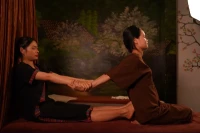
➤ Thai Massage: This unique massage style incorporates elements of yoga, acupressure, and assisted stretching. Thai massage uses rhythmic compression and rocking motions, which can promote blood flow to the knotted areas. This increased blood flow delivers oxygen and nutrients to aid healing and reduce inflammation within the knot. Some Thai massage practitioners might incorporate acupressure techniques that target specific energy points believed to be connected to the knotted area. This can help promote relaxation and potentially alleviate pain associated with the knot.
➤ Shiatsu Massage: This Japanese massage therapy focuses on applying pressure to specific points along meridians, believed to be energy channels in the body. Similar to trigger point therapy, shiatsu uses focused pressure on specific points believed to be related to the knotted area. This can help release tension and alleviate pain associated with the knot. By addressing imbalances that might contribute to muscle tension, shiatsu can potentially promote relaxation and reduce discomfort associated with knots.
➤ Swedish Massage: Swedish massage techniques like long strokes, kneading, and vibration can help prepare the muscles for deeper work, improve circulation, and promote relaxation, making it a valuable tool before or after addressing knots with other techniques.
The specific massage methods used will depend on the severity of your knots, your overall sensitivity, and your therapist's assessment. It’s important to communicate with your therapist beforehand. They might combine several techniques during a session to create a well-rounded treatment plan for optimal knot annihilation.
So, how often should I get a massage for knots? Massage therapy is a powerful weapon in your arsenal, but the ideal frequency depends on the severity of your knots, your lifestyle, and your pain tolerance.
Remember, a massage therapist is your partner in knot annihilation. They can assess your unique situation and recommend a personalized plan to keep those knots at bay and promote overall muscle health.
Ready to melt away your knots and experience the bliss of relaxation? If you want to look for a spa in Hoi An to treat your knots, you can choose one of the massage treatments at Herbal Spa. We offer a variety of massage therapies tailored to address muscle tension and promote well-being. Our experienced therapists will work with you to create a personalized massage plan that targets your specific needs.
Book your appointment today and experience the difference a massage can make!
Herbal Spa Hoi An 호이안 허벌 스파
Hotline: (+84) 0796 813 888
Email: hoian.herbalspa@gmail.com
Zalo: 0796 813 888
WhatsApp: (+84) 0796 813 888
LINE: herbalspahoian
Address: 139 Phan Chu Trinh, Minh An Ward, Hoi An, Quang Nam
Google map: https://www.google.com/maps?cid=4096267267993388804
.png "Herbal Spa Price Menu")
Booking option
► Your information will be the fastest response within 24h
► You will receive a confirmation email after your ORDER.
► Your spa service will be decreased by 30 minutes if you are late 10 - 15 minutes without prior notice.
Favourite Services
♦ Herbal Spa Signature - Best choice at Herbal Spa
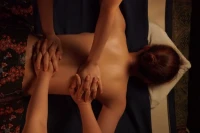
♦ Four Hands Massage - Double the Relaxation
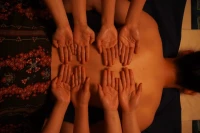
♦ Six Hands Massage - Six hands to relieve fatigue and stress
Herbal Spa - Peace in Life's Flow
Contents
(May 10, 2026 - December 31, 2026)
15% OFF 8-hands & 6-hands massage
10% OFF 90 & 120-minute services
5% OFF 60-minute services
Enter the code "HBS2026" when booking on our website to enjoy the promotion!
***Promotion applies to bookings made at least 15 minutes in advance.




![Things to Do in Hoi An [2026]](https://herbalspa.vn/data/news/200/35-best-things-to-do-in-hoi-an-vietnam-2025-insiders-guide-947.webp)