![Things to Do in Hoi An [2026]](https://herbalspa.vn/data/news/banner/mobile/35-best-things-to-do-in-hoi-an-vietnam-2025-insiders-guide-947.webp)
.webp)
.webp)
As someone who was born and raised in Hoi An, I’ve seen firsthand how many “must-do” activities are heavily promoted and widely reviewed - yet often fail to deliver a truly rewarding experience.
When you only have 1–3 days in Hoi An, time becomes your most valuable asset. Making the wrong choices can leave you feeling rushed, bored, or disappointed. Knowing what’s genuinely worth your time — and what isn’t — is what separates a memorable trip from an average one. This perspective comes from years of living here, not from guidebooks or online hype.
In this guide, I’ll share my favorite experiences I always come back for, and the hidden spots many visitors miss.
🚆 Getting to Hoi An: Travel affordably by booking your train or bus tickets on 12GoAsia.
🚕 Airport Pickup Tip: Skip airport taxis (prices vary). If you do take one, agree on the fare first. It’s usually cheaper and easier to book via Grab or Xanh SM (App Store / Google Play).
If you’re planning a trip to Hoi An, it’s helpful to know the best time to visit Hoi An (March and April are great), how to get around, and how to get a local SIM card. Here’s a simple three-day itinerary to help you discover my favorite things to do in Hoi An Old Town. If you have any questions, you can reach out using the contact on this website.
FYI: Among all the performances in Hoi An Ancient Town, two always stay with me: the vibrant Hoi An Memories Show and the soulful Teh Dar by Lune Production. I explain why below - both deserve a spot on your list.
✔️ Tick activities, then save your plan!
1. Explore Hoi An Ancient Town on foot
2. Watch the Hoi An Memories Show
3. Eat Cao Lau – Hoi An’s signature dish
4. Enjoy a massage at Herbal Spa
5. Visit the Japanese Covered Bridge
6. Take a scooter tour to explore Hoi An
8. Take a coconut basket boat tour in Cam Thanh
9. Savor Vietnam’s specialty coffees
10. Watch the Lune Production cultural show
11. Swim or lounge at An Bang Beach
12. Wander through peaceful rice fields
13. Visit Thanh Ha Pottery Village
14. Get tipsy at a cocktail bar
15. Visit the Fujian Assembly Hall (Phuoc Kien)
16. Shop at Nguyen Hoang Night Market
17. Tailor-made clothes by Hoi An’s tailors
18. Take a sampan boat ride on the Thu Bon River
.webp)
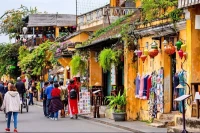
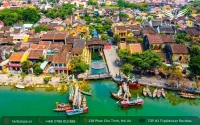
Hoi An Ancient Town is a UNESCO World Heritage Site. The area isn’t big, yet it’s packed with life: coffee shops hidden behind wooden doors, tailors measuring fabric right on the street, art galleries, market stalls, and the smell of food following you everywhere you walk. Walking through these vibrant streets, enjoying the cafes and local markets, is one of the top things to do in Hoi An Vietnam, giving visitors a true taste of the town’s lively atmosphere.
What I love most is how walkable it is. Motobikes are allowed until 3 PM, and after that, the Old Town turns into a pedestrian zone. It’s one of the rare places in Vietnam where you can wander freely without the constant buzz of traffic. Mornings and early afternoons are surprisingly peaceful - you can almost feel like you have the place to yourself. But after 4 PM, the Old Town wakes up. By sunset, it feels like the whole world has arrived: lanterns light up, the air gets busy, and you start to hear the riverboats calling for passengers.
.webp)
One thing many visitors don’t realize is that you can visit the Old Town for free if you’re just walking around, grabbing a drink, or people-watching. There’s a ticket that costs 120,000 VND, which lets you enter the heritage sites and cross the Japanese Covered Bridge, but it’s optional. I’ve spent countless afternoons here without ever needing one - just walking, photographing the alleyways, and getting coffee by the river. Whenever I want to visit the temples or step inside the old merchant houses, that’s when I buy a ticket.
If you only do one thing in Hoi An, do this: put away your map and walk. Let yourself get lost in the Ancient Town. Taste whatever smells good. Step into shops that catch your eye. Sit down somewhere and just watch life happen. That’s when Hoi An feels the most magical.
(1).webp)
I caught the Hoi An Memories Show (here on Google Maps) on a Sunday night, and it was truly unforgettable. From the very first moment, I was completely immersed in over 400 years of Hoi An’s history, brought vividly to life on a sprawling 25,000-square-foot outdoor stage with hundreds of performers, live music, traditional dances, and breathtaking special effects. As someone who loves diving into local culture, I found it both entertaining and deeply moving - It really made Hoi An’s rich heritage feel tangible and easily one of the best things to do in Hoi An.
(1).webp)
(1).webp)
(1).webp)
If you’re wondering what to do in Hoi An, trying cao lau is an absolute must. This iconic local dish combines chewy noodles, tender pork, fresh greens, and aromatic herbs, creating a flavor that’s unique to the city. What I love most is that no two bowls taste exactly the same – each shop follows its own long-standing family recipe, so every stop feels like a new experience. It’s a bit like tasting lasagna from different Italian grandmas: all delicious, but each with its own special touch.
Prices vary depending on where you eat. Street-side stalls are the most affordable, usually around 25,000–40,000 VND, while restaurants can go up to 60,000 VND or more for a fancier setting.
(1).webp)
One tip: Go earlier in the day when everything’s freshest and the broth hasn’t been sitting for hours.
>> See more: Hoi An lantern boat ride
.webp)
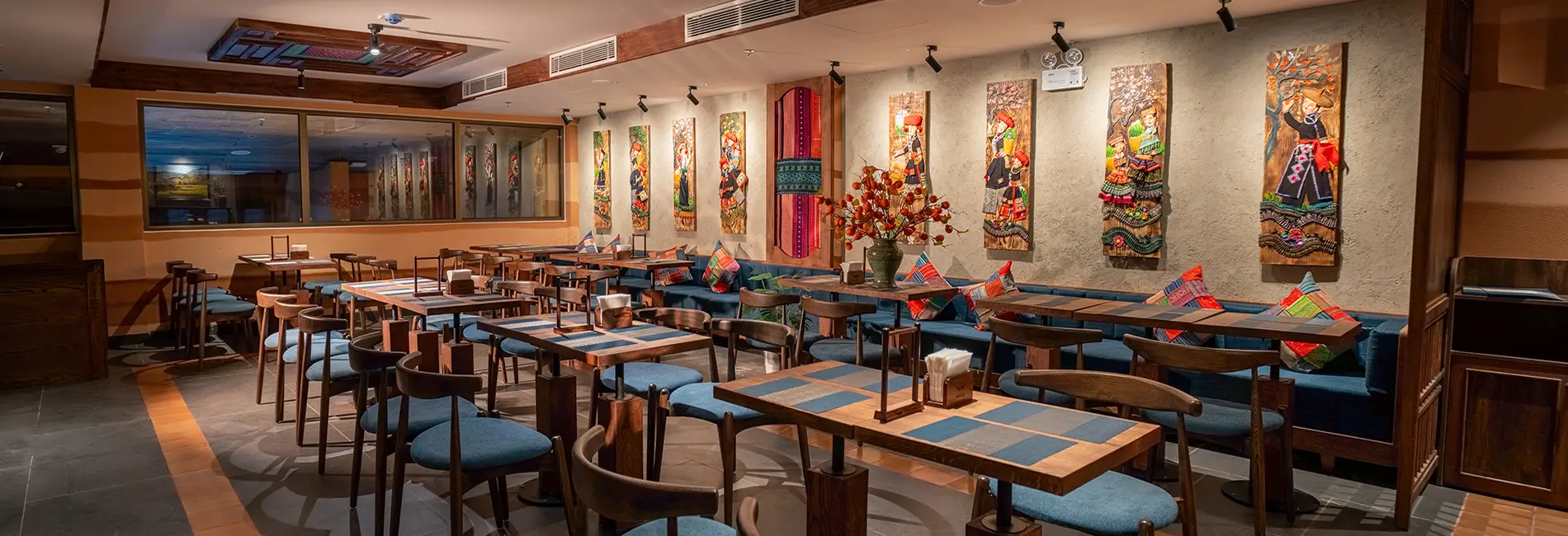
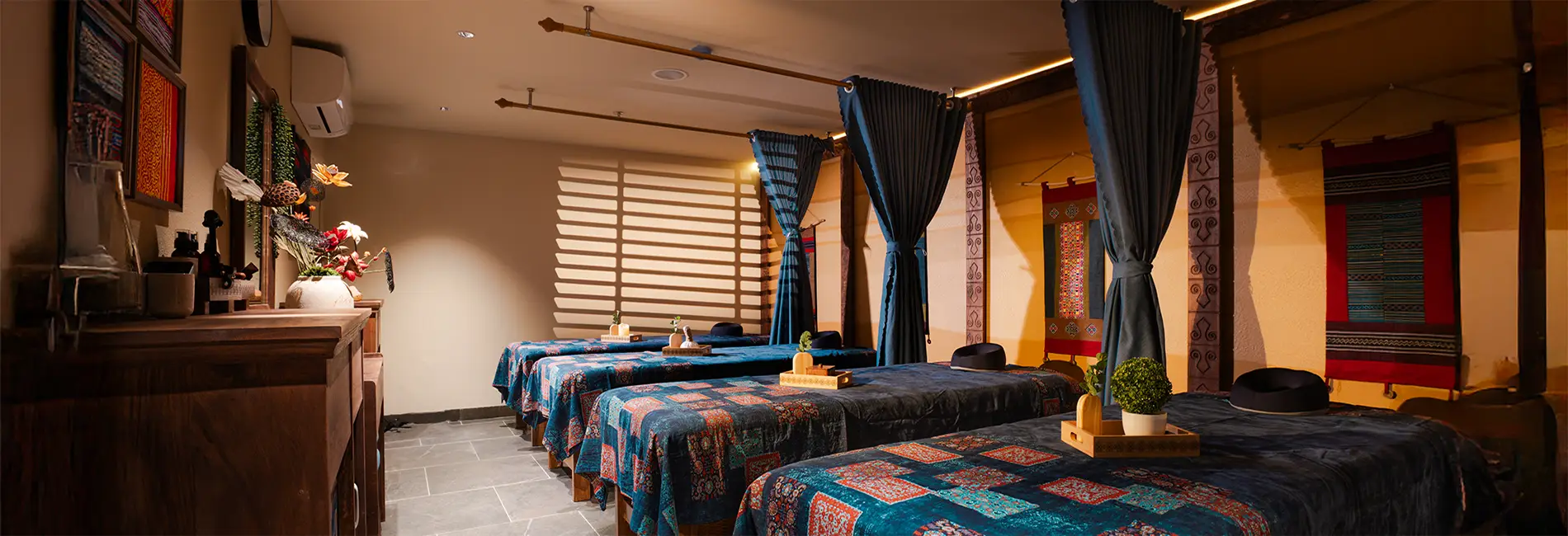
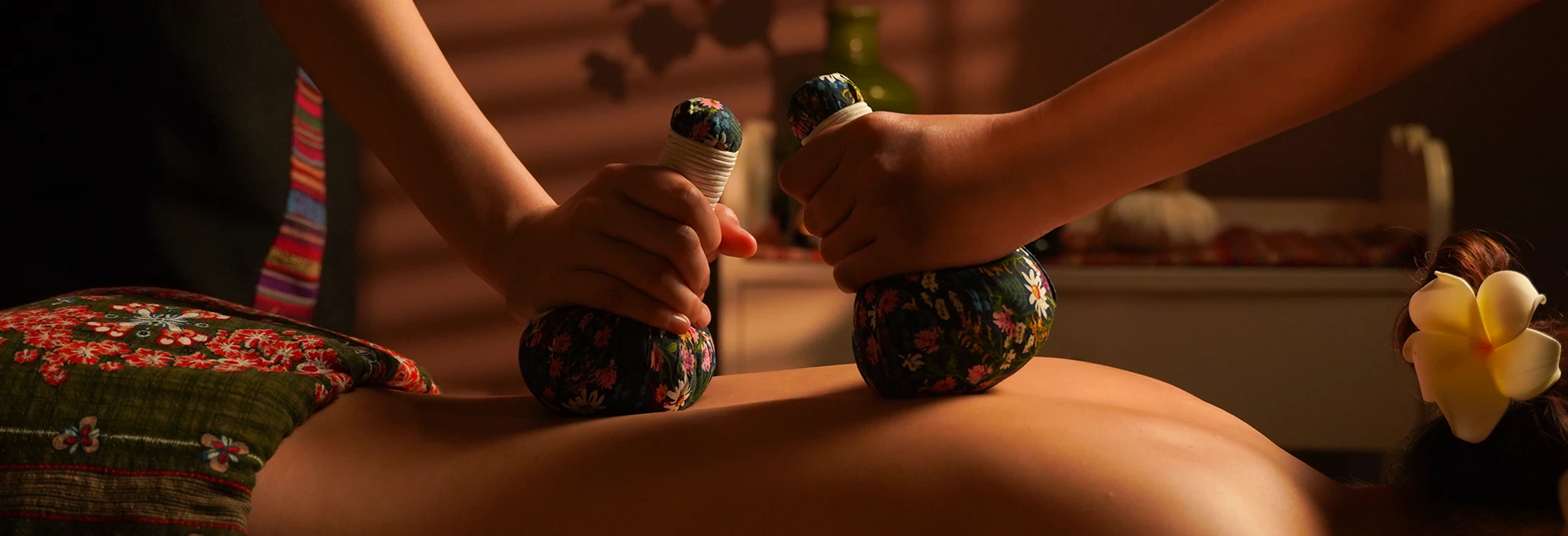
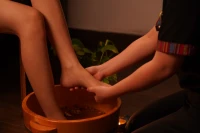
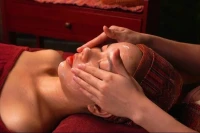
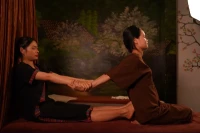
A friend first introduced me to Herbal Spa Hoi An (here on Google Maps), and I immediately fell in love with the place - so much so that it’s now my go-to spot whenever I want to relax in Hoi An. After a full day wandering the lantern-lit streets and historic corners of the Old Town, stepping into the spa feels like entering a peaceful oasis. The soft lighting, subtle herbal scents, and calming atmosphere instantly melt away any stress. I usually go for a full-body massage, and the therapists are incredible at easing tension. I always leave feeling lighter, refreshed, and completely recharged. So, if you’re putting together your list of things to do in Hoi An, I’d say a visit to Herbal Spa deserves a spot near the top.
(1).webp)
Insider tip: Herbal Spa often offers promotions for guests, so check the current deals on their website to get the best price. From my experience, booking directly on the website usually costs less than other platforms, so it’s best to prioritize booking there.

(May 10, 2026 - December 31, 2026)
15% OFF 8-hands & 6-hands massage
10% OFF 90 & 120-minute services
5% OFF 60-minute services
Enter the code "HBS2026" when booking on our website to enjoy the promotion!
***Promotion applies to bookings made at least 15 minutes in advance.
(1).webp)
One of my favorite spots in Hoi An has to be the Japanese Covered Bridge (here on Google Maps) - not just because it’s beautiful, but because it feels like a quiet, ancient gateway into the city’s rich past. Built in the late 16th century by Japanese merchants to link their quarter with the Chinese district, the bridge has survived centuries of floods, trade booms, and cultural shifts, evolving into the symbol of Hoi An we know today. Visiting the bridge and exploring its tiny pagoda is one of the must-do things to do in Hoi An.
To step onto the bridge itself or explore the tiny pagoda within, you’ll need a Hoi An Ancient Town ticket - for most international visitors this is around 120,000-150,000 VND, which also grants access to other heritage sites nearby.
Outside of the heritage zone you can still admire and photograph the bridge for free, but spending a little extra lets you get up close and feel the centuries of history under your feet.
(1).webp)
Note: The bridge was recently restored and reopened, so some details may appear newer than in the old photos you see online.
>> Related Post:
(1).webp)
As a local in Hoi An, one of my favorite things to do in Hoi An to really see the city and its surroundings is by riding a scooter. While bicycles are popular and great for exploring nearby villages and rice fields, a scooter gives you more freedom to cover longer distances - like cruising along the Thu Bon River, visiting Cam Nam Island, or even making a short trip up to Da Nang. That said, don’t feel pressured to rent one if you’re not comfortable; bicycles can still take you to many beautiful spots at a slower, relaxed pace.
When renting, look for a company that provides well-maintained scooters with helmets and, ideally, hotel pick-up and drop-off. For most visitors, a 50cc or 125cc scooter is ideal. Rentals usually cost between 125,000 and 300,000 VND per day, depending on the bike and duration. I always recommend checking the bikes in person before committing, and asking the rental staff about local traffic rules - at the time of writing, a 50cc scooter does not require a license, but it’s best to double-check. Starting with a smaller scooter is a safe way to get comfortable, and once you’re confident, you can explore further on a bigger bike.
(1).webp)
I only recently discovered Lo Gach Cu Farm, and I can’t believe I hadn’t found it sooner - it’s truly one of Hoi An’s hidden gems. Nestled in the countryside, this unique coffee is surrounded by emerald rice paddies and an old, overgrown brick kiln, creating one of the most photogenic spots I’ve seen in the area.
Getting there is half the fun - I ride a motorbike and enjoyed the peaceful ride through the rural roads, away from the hustle of Old Town. Once there, the coffee didn’t disappoint; it’s some of the best I’ve tasted in Hoi An. The coffee also offers fresh juices, fruity smoothies, and healthy breakfast options, perfect for a light meal while soaking in the serene views.
(1).webp)
(1).webp)
Tips for visitors:The coffee here is great, so it’s worth trying. The food is hit-or-miss, so consider ordering a light snack or just tasting the drinks rather than a full meal.
(1).webp)
One of my favorite escapes is Coconut Village Hoi An (here on Google Maps), famous for its iconic basket boats - those round, spinning boats you’ve probably seen on social media. But as a local who knows the area well, I can tell you there’s much more to enjoy than just the boat ride. Winding waterways, shady coconut groves, and charming riverside coffees make this village a peaceful and picturesque spot to explore.
I usually get there by Grab, which is convenient and affordable - it costs around $7-8 USD for two people from Old Town. Once there, I like to take a basket boat ride, which is about $6 USD per person. The rides are designed for tourists, but they’re a lot of fun, and you can choose whether or not to spin the boat - so don’t worry if you’re prone to motion sickness! Cruising through the narrow canals lined with coconut trees and then out onto open water is a simple joy.
(1).webp)
If you prefer, you can also join a guided tour or take the longer boat ride from Hoi An to Cam Thanh Village, which offers a deeper glimpse into traditional life along the waterways. Either way, visiting Coconut Village is a lovely mix of relaxation, adventure, and authentic local scenery - one of the nicest things to do in Hoi An that I always recommend to visitors.
As someone who’s lived in Hoi An for a while, I can honestly say that coffee culture here is amazing, and almost every corner of the city has a spot worth trying. You really can’t go wrong: even small street-side coffee serve tasty brews for 15,000-30,000 VND (less than $2 USD). Just wandering through Old Town and popping into any local coffee shop can lead to a delightful surprise.
.webp)
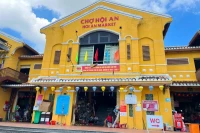
That said, I do have a couple of personal favorites when I want something a bit more special in Hoi An. Cong Ca Phe is a famous coffee spot in Vietnam, known for its rich Vietnamese-style drinks like egg coffee and coconut coffee. The Hoi An branch is very popular among young travelers, especially from Vietnam and South Korea, for photos at its iconic front gate, making it one of the fun things to do in Hoi An. When I visit, I often see people stopping to take pictures before heading inside, which has made the entrance a trending Instagram spot.
(1).webp)
Another place I like is Faifo Coffee, which roasts its beans on-site and serves freshly brewed filter coffee that’s smooth, aromatic, and full of character. Both are easy to find in Old Town and are great places to experience Hoi An’s growing specialty coffee scene.
(1).webp)
A lesser-known but truly memorable experience in Hoi An is The Lune Production on An Hoi Island (here on Google Maps), just south of Old Town. I recently caught their Teh Dar show, a fascinating mix of acrobatics, bamboo stunts, and theatrical storytelling that completely drew me in. From the moment I arrived, the staff were friendly and helpful, making everything feel effortless.
.webp)
Unlike the large-scale Hoi An Memories Show, Lune Production is indoors in a cozy theater, with air conditioning and assigned seats. Even the mid-range tickets (around $30 USD for the “ooh!” section) put you right in the heart of the action, so you don’t need to splurge on the most expensive seats to enjoy the performance. The show begins at 6 PM, and I picked up my ticket directly at the venue about 40 minutes early - it was quick and easy. Tickets can also be booked online via their website or platforms like Klook and GetYourGuide. Note that children under 5 aren’t allowed, and no photos or videos are permitted during the performance, though the performers happily pose for pictures with guests afterward.
(1).webp)
If you’re wondering what to do in Hoi An, visiting An Bang Beach is a must. An Bang Beach is Hoi An’s most popular beach, and it’s easy to see why. The stretch of sand is lined with coffee, restaurants, and boutique hotels, making it lively but still relaxing. I usually go there when I want a calm escape from the busy Old Town - the water is gentle, perfect for a swim, and there’s plenty of space to stroll along the shore.
Sun loungers are available for 50,000-100,000 VND (around $2-$4 USD) per day, but some restaurants, like Garden Sea, let you use them for free if you order food or drinks. It’s a great spot to enjoy fresh seafood, sip a cold drink, and watch the sunset over the sea without the crowds you’d find at larger beaches.
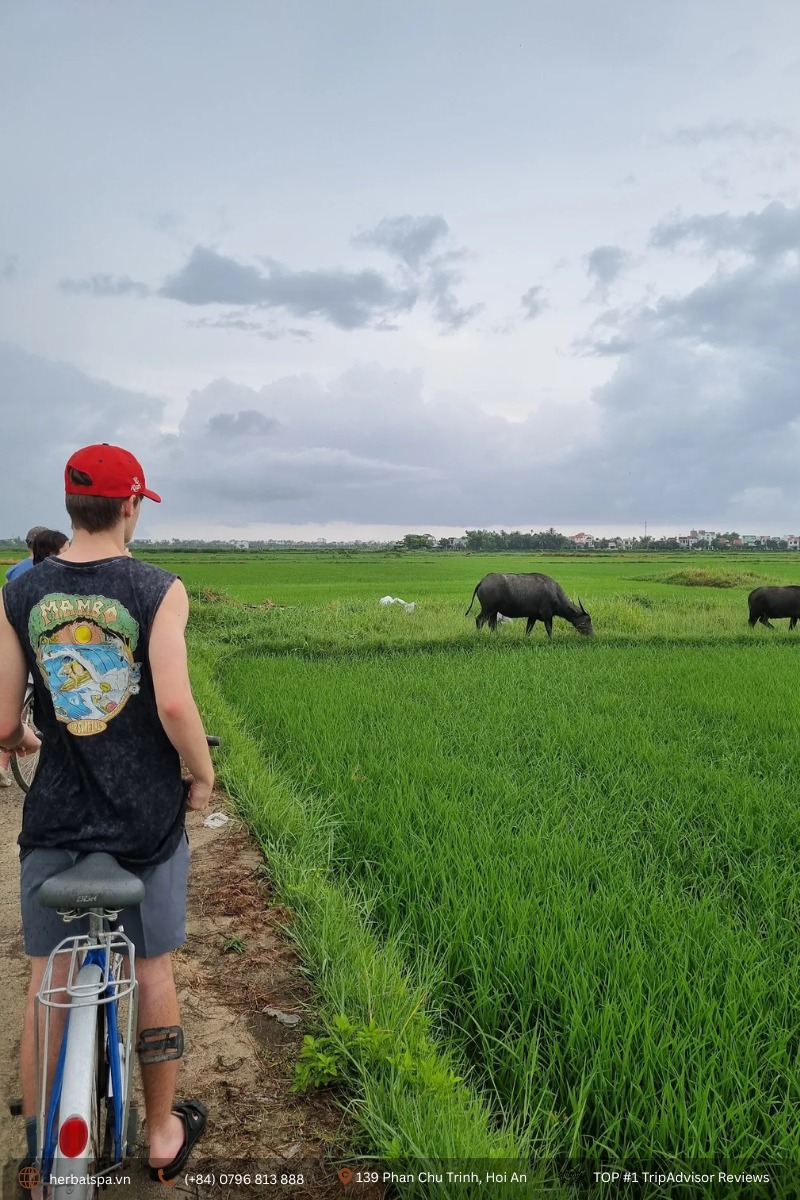
The rice fields surrounding Hoi An offer a calm escape from the busy streets of Old Town. I love grabbing a bicycle and wandering along the narrow paths that thread through the paddies, breathing in the fresh air and watching farmers go about their day. It might not show up on every travel blog, but cycling through the rice fields is one of the most peaceful things to do in Hoi An, especially if you’re craving a slower, more authentic look at daily life beyond the tourist centers.
You don’t need a scooter to enjoy them; many fields are easily reachable on foot or by bike, depending on where you’re staying. Most hotels in Hoi An provide bicycles for guests, or can arrange rentals if needed. If you’re traveling from Old Town to An Bang Beach, I recommend cutting through the rice fields along Hai Ba Trung Street - it’s a quiet, scenic shortcut that really lets you soak in the countryside atmosphere.
(1).webp)
Thanh Ha Pottery Village (here on Google Maps) is located west of Hoi An Old Town and isn’t very well-known among tourists. When I visited, I spent some time walking along the small streets lined with pottery workshops, watching local artisans shape clay and fire pieces in traditional kilns.
I also tried making a small clay item at My Linh Shop, run by a local family. It was a fun, hands-on experience, and prices start at around 50,000 VND ($2 USD) depending on what you make and whether you add paint or glaze.
Entrance to the village costs 35,000 VND ($1.50 USD) and includes a small handmade gift, like a clay whistle. There’s also a small pottery museum nearby, with tickets for 50,000 VND ($2 USD), if you want to learn more about the history of pottery in the area.
.webp)
.webp)
I go to bars in Hoi An more often than people expect — not really for drinking, but because I like the atmosphere and the feeling of seeing the city from a different angle at night. Two places I keep coming back to are Mong Nguyet Secret Bar and KoFi Bar, both great things to do in Hoi An at night.
Mong Nguyet Secret Bar has a real speakeasy vibe: quiet, intimate, retro, almost cinematic.
(1).webp)
My go-to is the Espresso Martini, lightly sweet and perfectly balanced - just my style. My friend can’t resist the Whiskey Sour and orders it every single time.
.webp)
.webp)
KoFi Bar is different. It’s brighter, on the riverside, more open.
(1).webp)
Fujian Assembly Hall (Phuoc Kien), one of Hoi An’s most iconic historic sites, was built in the 17th century by Chinese immigrants as a place for worship and community gatherings. The last time I visited during a holiday afternoon, it was quite crowded with tour groups, so if you want a more relaxed visit, I’d recommend coming early in the morning. Tickets cost around 120,000–150,000 VND ($5–$6 USD), which also includes access to other nearby heritage sites.
.webp)
Growing up in Hoi An, I’ve spent countless evenings at Nguyen Hoang Night Market, and it’s still a favorite way to soak up local life. After sunset, this Hoi An market lights up with colorful lanterns, the smell of street food fills the air, and the mix of locals and visitors creates a lively, friendly atmosphere. I always like to grab some grilled rice paper (bánh tráng nướng), fresh spring rolls, chè, or even the best banh mi in Hoi An while browsing Nguyen Hoang Night Market.
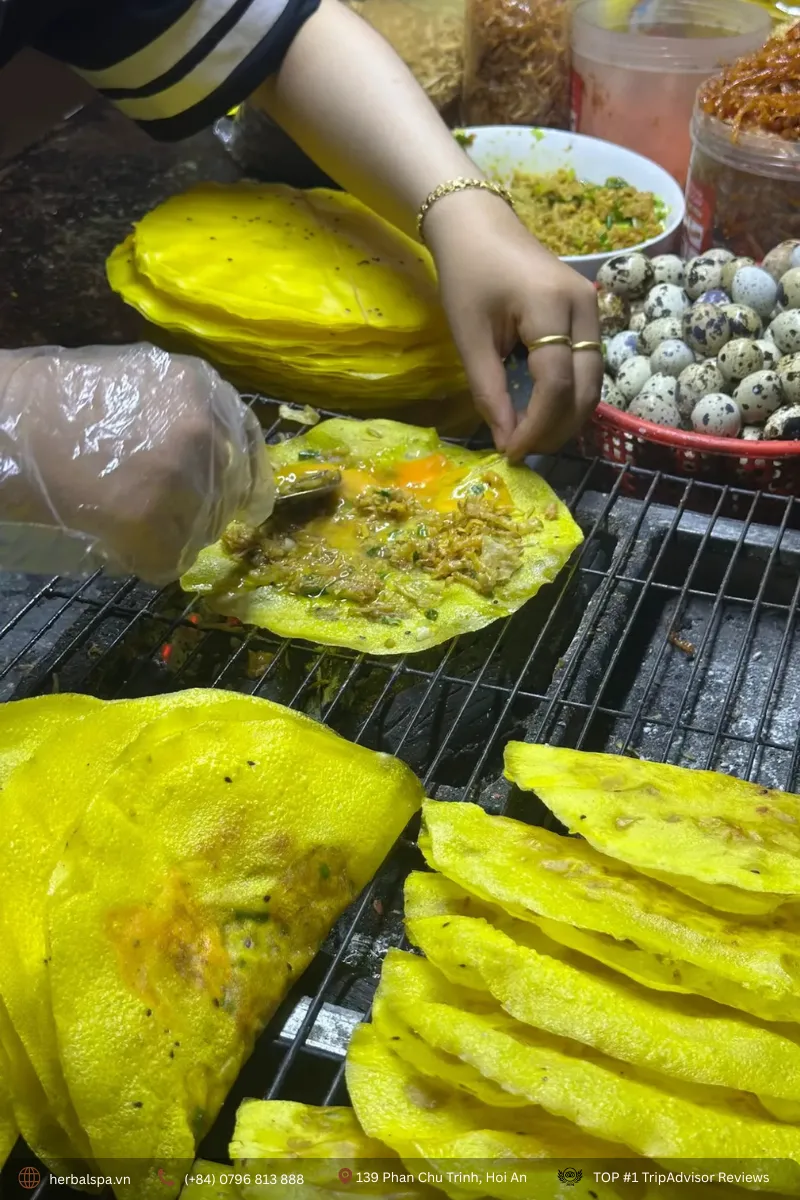
Prices are very reasonable - most items range from 20,000-150,000 VND ($0.80-$6 USD).
.webp)
I grew up in Hoi An, where getting clothes tailored is almost a family tradition. Many local households still prefer handmade garments, and being surrounded by that culture made bespoke clothing feel completely natural to me. Visiting a tailor like Blue Chic Tailor Hoi An is one of the unique things to do in Hoi An, especially if you enjoy personalized experiences.
I personally go to Blue Chic Tailor again and again. The staff are warm, the process is clear, and even when the shop is busy, they never rush you. They guide you through fabrics and styles, and the fittings feel relaxed.
Simple shirts or dresses usually start from 300,000 VND (around US$12), while blazers or jackets can begin at 1,000,000 VND (about US$40) depending on materials. You can bring reference photos and don’t hesitate to share your ideas — small tweaks like cuffs, collars, or fit are totally normal.
While wandering along the Thu Bon River, one of my favorite things to do in Hoi An is take a traditional sampan ride - it’s such a peaceful way to see Hoi An from the water. I especially enjoy going in the early evening when the river reflects the soft glow of lanterns.
(1).webp)
(1).webp)
Rides usually cost around 150,000 VND ($6 USD) for 1-3 people and last about 20 minutes. You can easily find the boats near An Hoi Bridge, and many vendors will also sell candle-lit lanterns that you can float on the river - it’s a simple but magical experience.
.webp)
Growing up near the My Son Sanctuary, I've visited many times and each visit has been wonderful. It's about an hour's drive from the Old Town, so I usually take a Grab taxi there – easy and convenient, and spend a few hours exploring at my own pace.
The best time to visit is in the morning when the light illuminates the red brick ruins and there are fewer tourists. You can go alone and enjoy the peaceful atmosphere, or join a guided tour if you want to learn more about the historical context of the Cham civilization.
Da Nang is only about 40 minutes from Hoi An, so I usually save a day to explore the city whenever I’m back home. With beaches, mountains, and a lively urban center all packed into one place, it’s somewhere I genuinely think is worth experiencing at least once while you’re in the area.
I like starting the morning at Marble Mountains (Ngũ Hành Sơn). Wandering through caves and temples never gets old. You’ll likely spot monkeys around the site - they’re curious, sometimes bold, and feeding them is strictly prohibited. Even if they come close or try to beg, offering food causes real harm: it makes them rely on humans, weakens their natural foraging skills, and can lead to dangerous encounters. So skip sharing snacks or picking fruit for them, and try not to walk around with food in your hands - it keeps everyone safer.
.webp)
From there, I usually head to My Khe Beach for a reset. A quick swim or just a stroll along the shore is enough to recharge before continuing the day. In the afternoon, Linh Ung Pagoda is my go-to stop to see the Lady Buddha statue. It feels noticeably calmer and gives you a different perspective of the city beyond the tourist buzz.
.webp)
If it happens to be a Friday, Saturday, or Sunday, I’ll end the day near Dragon Bridge for the fire-and-water show at 9 PM. It’s short — about 10 to 15 minutes — but it’s a fun little bonus if you’re already in the area.
Getting around is easy by Grab or motorbike, and the flexibility means you can stop wherever catches your eye. A route I often follow looks like this:
Marble Mountains → My Khe Beach → Linh Ung Pagoda → Dragon Bridge
It’s a full day, but a great balance of nature, culture, and city vibes — and a solid snapshot of what Da Nang has to offer. If you’re exploring nearby Hoi An, visiting these spots and enjoying local streets and food is one of the memorable things to do in Hoi An.
Choosing where to stay in Hoi An can really shape your experience of the city. Having grown up here, I know that the vibe of your accommodation can completely change how you see the town - whether you want to be right in the heart of the Ancient Town, or tucked away somewhere peaceful among the rice fields.
.webp)
If you love the energy of the lantern-lit streets, staying in or near the Old Town is unbeatable. You’re a short walk from the markets, coffee, temples, and riverside spots. Prices vary depending on the hotel style - boutique guesthouses can start around 500,000 VND ($20 USD) per night, while higher-end hotels or riverside villas can go above 2,000,000 VND ($80 USD). Staying here is convenient, but it can be busy, especially during weekends or festivals.
.webp)
For a calmer, more scenic experience, I often recommend staying on the edges of the rice fields or near An Bang Beach. You wake up to open views, birdsong, and sometimes even see farmers tending the paddies. Boutique homestays or small resorts in these areas usually start at 700,000 VND ($28 USD) per night.
After sharing my experiences, I hope this guide gives you a real sense of what Hoi An has to offer beyond the typical tourist spots.
And when you’re ready to unwind after a full day of exploring, I highly recommend treating yourself to a massage at Herbal Spa Hoi An. It’s the perfect way to relax, recharge, and enjoy a moment of calm amidst the vibrant energy of the city. If you’re building your list of things to do in Hoi An, don’t forget to balance all the sightseeing and adventures with a little self-care - adding Herbal Spa to the list is that perfect reset that keeps you energized for everything else this magical place has to offer.
Whether it’s your first time in Hoi An or your fifth, I hope this guide helps you craft a journey that feels personal, memorable, and genuinely connected to the soul of the city. Have an amazing trip - and may Hoi An stay with you long after you leave.
Hoi An's best things to do include exploring its UNESCO Ancient Town by bike or foot, releasing lanterns on the river at night, visiting the vibrant Night Market, relaxing at An Bang Beach, taking lantern making, and day-tripping to My Son Sanctuary.
Three days in Hoi An is enough if you do it right. With a well-planned itinerary, you can enjoy the town’s charm, try its best dishes, sip coconut coffee, and even join a lantern making tour.
If you have just one day in Hoi An, stick to the walkable Ancient Town: visit landmarks like the Japanese Covered Bridge, browse for souvenirs, sample local street food like Cao Lau and Banh Mi, have custom clothes tailored, cycle through the rice paddies, and finish the day with a magical lantern boat ride along the river at sunset.
Yes, Hoi An is definitely worth a visit. Its UNESCO-listed Ancient Town, colorful lanterns, delicious food, and tailoring experiences make it special. While it can get crowded and busy with vendors, the many things to do in Hoi An—like cycling, cooking classes, lantern making, and relaxing at An Bang Beach—make it a memorable highlight of any Vietnam trip.
📍 Pro Tip: Click the square icon (top right) to open this map in full screen on your phone's Google Maps app for easy navigation while in Hoi An.
Image sources:
- Own photos
- Collected from the internet
Khám phá thêm về Herbal Spa
(May 10, 2026 - December 31, 2026)
15% OFF 8-hands & 6-hands massage
10% OFF 90 & 120-minute services
5% OFF 60-minute services
Enter the code "HBS2026" when booking on our website to enjoy the promotion!
***Promotion applies to bookings made at least 15 minutes in advance.





![Things to Do in Hoi An [2026]](https://herbalspa.vn/data/news/200/35-best-things-to-do-in-hoi-an-vietnam-2025-insiders-guide-947.webp)